
A torque converter shudder is a common automatic transmission problem that causes vibrations, shaking, or jerking while driving. Many drivers notice the issue during acceleration, light throttle cruising, or when the transmission shifts between gears. Ignoring the problem for too long can eventually lead to serious transmission damage and expensive repairs.
In many cases, the issue starts because of contaminated transmission fluid, a failing torque converter clutch, or internal wear inside the converter itself. Understanding the warning signs early can help prevent complete transmission failure. Drivers who recognize the symptoms quickly often save money by repairing the issue before major components become damaged.
What Is Torque Converter Shudder?
Many drivers ask, what is torque converter shudder and why it happens in automatic vehicles. The torque converter is responsible for transferring engine power to the transmission using hydraulic fluid pressure. When the converter or clutch system begins malfunctioning, vibrations occur during acceleration or gear engagement.
Another way to explain what is torque converter shudder is that it feels similar to driving over rough pavement or rumble strips. The shaking usually happens when the torque converter clutch tries to lock and unlock repeatedly. This creates an uneven transfer of power that causes noticeable vibration throughout the vehicle.
Torque Converter Shudder Symptoms
One of the most common torque converter shudder symptoms is a vibration felt while accelerating between 30 and 60 mph. The vehicle may shake lightly at first, but the vibration usually becomes worse as the problem progresses. Drivers often notice the issue during light throttle driving or while climbing hills.
Other torque converter shudder symptoms include delayed shifting, poor acceleration, transmission slipping, overheating, and reduced fuel economy. In severe cases, the car may hesitate before changing gears or produce a shaking sensation that feels similar to engine misfires. These warning signs should never be ignored because they can quickly worsen over time.
Related Article: How to Remove Torque Converter Bolts?
What Does Torque Converter Shudder Feel Like?
Many drivers wonder, what does torque converter shudder feel like compared to other vehicle problems. The vibration often feels like driving over small bumps or rough strips on the highway even when the road is smooth. Some people also describe the sensation as a rapid shaking or pulsing coming from underneath the vehicle.
A transmission torque converter shudder usually becomes more noticeable when the vehicle attempts to maintain a constant speed. The shaking may disappear temporarily when accelerating harder or slowing down. Because the symptoms can resemble tire or engine issues, proper diagnosis is important before replacing parts unnecessarily.
What Causes Torque Converter Shudder?
Understanding what causes torque converter shudder is important for preventing long-term transmission damage. One of the most common causes is dirty or degraded transmission fluid that no longer provides proper lubrication. Once the fluid loses effectiveness, the converter clutch cannot engage smoothly, leading to vibration and slipping.
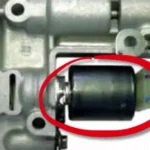
Another major cause is internal wear inside the torque converter itself. A damaged torque converter clutch shudder condition can occur when clutch materials wear down or become contaminated. Faulty solenoids, overheating transmissions, and worn bearings may also contribute to converter shudder problems over time.
Related Article: Can ABS Sensor Cause Transmission Problems?
Torque Converter Shudder Sound
In addition to vibrations, some vehicles may produce a noticeable torque converter shudder sound during acceleration or shifting. Drivers often describe the noise as a humming, grinding, or vibrating sound coming from the transmission area. The sound may become louder under load or during uphill driving conditions.
A failing converter clutch can also create unusual noises while trying to lock properly. If the sound appears together with slipping or shaking, the transmission should be inspected immediately. Ignoring these symptoms may allow internal transmission wear to spread further.
Does Torque Converter Shudder Damage Transmission?
Many vehicle owners ask, does torque converter shudder damage transmission components over time. The answer is yes, especially if the issue is ignored for an extended period. Constant slipping and vibration create excess heat inside the transmission, which accelerates wear on internal clutches and seals.
As the condition worsens, metal particles and clutch debris can contaminate the transmission fluid even further. This creates a cycle of additional damage throughout the transmission system. Fixing the issue early greatly reduces the risk of needing a full transmission replacement later.
Related Article: How to Drain Torque Converter 4L60E?
Torque Converter Shudder Fix Options
A proper torque converter shudder fix depends on the exact cause of the problem. In mild cases, replacing old transmission fluid and installing a new filter may restore proper operation. Fresh fluid helps improve lubrication and allows the converter clutch to engage more smoothly.
Another common torque converter shudder fix involves repairing or replacing damaged converter components. Some vehicles may require a complete torque converter replacement if internal wear is severe. Mechanics may also inspect transmission solenoids and valve body components during the repair process.
Torque Converter Shudder: The Symptom And Fixes
How to Fix Torque Converter Shudder?
Drivers frequently search for how to fix torque converter shudder before the issue becomes severe. The first step is usually performing a complete transmission fluid service using the manufacturer-recommended fluid type. Incorrect fluid can sometimes worsen converter clutch operation and increase shuddering symptoms.
Another solution for how to fix a torque converter shudder is replacing the torque converter itself if the clutch or bearings are worn out. Mechanics may also update transmission software or repair valve body issues in electronically controlled transmissions. Proper diagnosis is critical because several transmission problems can produce similar symptoms.
Related Article: What Is the Torque Spec for Brake Caliper Bolts?
Torque Converter Shudder Additive
Some drivers use a torque converter shudder additive to reduce vibrations temporarily. These additives are designed to improve transmission fluid friction properties and help the converter clutch engage more smoothly. In minor cases, additives may reduce or temporarily eliminate the shudder.
However, additives are not permanent solutions for serious mechanical wear. If the converter clutch or internal transmission parts are already damaged, the problem will likely return. Additives work best as a short-term treatment rather than a replacement for proper repairs.
Torque Converter Shudder Repair Cost
The average torque converter shudder repair cost varies depending on the severity of the issue and the vehicle model. Basic transmission fluid services may cost between $150 and $350 depending on the fluid type and labor involved. These services can sometimes solve minor shudder problems if addressed early.
Use our Free Auto Repair Cost Estimator to calculate the expected repair cost based on your vehicle issue.
Use the Repair Cost Estimator
More serious repairs involving torque converter replacement can cost anywhere from $800 to over $2,500. Labor costs are usually high because removing the transmission is often necessary. Addressing symptoms early is the best way to avoid expensive transmission rebuilds later.
How to Stop Torque Converter Shudder?
Drivers searching for how to stop torque converter shudder should begin by checking transmission fluid condition and service history. Regular fluid changes are one of the best ways to prevent clutch contamination and overheating. Following manufacturer maintenance schedules helps extend transmission life significantly.
Avoiding aggressive driving and excessive towing can also reduce stress on the torque converter system. If symptoms continue after fluid service, professional inspection is recommended immediately. Early repairs often prevent severe transmission damage and reduce long-term repair costs.
Related Article: How Much Torque to Remove Crankshaft Bolt?
Symptoms of Torque Converter Shudder You Should Never Ignore
The most serious symptoms of torque converter shudder include strong shaking, overheating, slipping gears, delayed acceleration, and sudden RPM fluctuations. Some vehicles may even enter limp mode to protect the transmission from further damage. These warning signs indicate that internal wear may already be progressing rapidly.
Drivers should also pay attention to burning smells or transmission warning lights appearing alongside vibrations. Continuing to drive under these conditions may damage additional transmission components. Quick diagnosis and repair are essential for preventing complete transmission failure.
Conclusion
A torque converter shudder is a serious transmission issue that should never be ignored. The problem commonly starts with contaminated fluid, worn converter clutches, or internal transmission wear that causes vibrations during acceleration or cruising. Identifying the symptoms early can help prevent costly repairs and major transmission failure.
Whether you need a simple fluid service, a torque converter shudder fix, or a complete converter replacement, addressing the issue quickly is the best solution. Proper maintenance, routine inspections, and fast repairs can help keep your transmission operating smoothly and extend the life of your vehicle.