
If you are searching for transmission control system MIL request, your vehicle is likely experiencing a transmission-related fault that has triggered the check engine light or malfunction indicator lamp (MIL). This warning usually appears when the Transmission Control Module (TCM) detects a problem affecting transmission performance, shifting operation, or electronic communication within the drivetrain system.
In many vehicles, the issue is commonly associated with the P0700 transmission control system (MIL request) code. This code does not always point to a single failed component. Instead, it acts as a general warning that the TCM has stored additional transmission trouble codes requiring further diagnosis.
Drivers may notice symptoms such as:
- hard shifting
- delayed gear engagement
- transmission slipping
- limp mode activation
- poor acceleration
- reduced fuel economy
Because transmission systems rely heavily on sensors, solenoids, hydraulic pressure, and electronic communication, proper diagnosis is important before replacing expensive components unnecessarily.
What Does Transmission Control System MIL Request Mean?
Many drivers ask, what does transmission control system MIL request mean, especially after seeing the check engine light appear suddenly alongside transmission performance problems.
The transmission control system is responsible for monitoring and controlling:
- gear shifting
- transmission fluid pressure
- torque converter operation
- shift timing
- solenoid performance
When the TCM detects a fault, it sends a request to the Engine Control Module (ECM) to activate the malfunction indicator lamp. This warning alerts the driver that a transmission-related issue has been detected and diagnostic trouble codes are stored in the system.
The MIL request itself is not always the direct failure. Instead, it signals that another transmission fault exists somewhere within the system. In many cases, additional codes must be scanned using an advanced OBD-II scanner capable of reading transmission-specific data.
Credit: yezig.com
Related Article: What Is the Warranty on a Rebuilt Transmission?
What Is Transmission Control System MIL Request?
Many vehicle owners also ask, what is transmission control system MIL request and whether it means the transmission itself has failed completely. Fortunately, that is not always the case.
A transmission control system MIL request simply means the TCM has identified abnormal transmission operation and instructed the ECM to illuminate the check engine light. The actual problem may range from a minor electrical issue to more serious internal transmission damage.
Common systems monitored by the TCM include:
- shift solenoids
- transmission fluid temperature sensors
- speed sensors
- valve body operation
- torque converter performance
- hydraulic pressure circuits
In some situations, the problem may involve low transmission fluid, damaged wiring, or sensor failures rather than complete transmission replacement.
Related Article: Do You Have to Drain Transmission Fluid When Replacing Clutch?
Transmission Control System MIL Request Cost
Many drivers wonder about the transmission control system MIL request cost after seeing the warning light appear. Repair costs vary significantly depending on the exact transmission problem and vehicle type.
Minor repairs involving fluid service or sensor replacement are usually less expensive. However, major internal transmission repairs can become costly if the issue is ignored for too long.
Average repair costs may include:
| Repair Type | Estimated Cost |
| Transmission Fluid Service | $120 – $300 |
| Shift Solenoid Replacement | $200 – $600 |
| Speed Sensor Replacement | $150 – $400 |
| Wiring Repair | $100 – $500 |
| TCM Replacement | $500 – $1,500 |
| Transmission Rebuild | $2,000 – $5,000+ |
Luxury vehicles and heavy-duty transmissions may cost more because of advanced electronic control systems and labor complexity.
Use our Free Auto Repair Cost Estimator to calculate the expected repair cost based on your vehicle issue.
Use the Repair Cost Estimator
Related Article: Can a Bad Axle Cause Transmission Problems?
Common Symptoms of Transmission Control System MIL Request
Transmission control system problems can create several noticeable drivability symptoms. Some vehicles may continue driving normally at first, while others may quickly enter limp mode or experience severe shifting issues.
One of the most common symptoms is harsh or delayed shifting between gears. Drivers may feel sudden jerking movements, hesitation during acceleration, or difficulty engaging drive or reverse.
Other common symptoms include:
- illuminated check engine light
- transmission slipping
- rough shifting
- reduced acceleration
- stuck in one gear
- limp mode activation
- increased RPM before shifting
- transmission overheating
- poor fuel efficiency
A P0700 transmission control system (MIL request) warning may also appear alongside additional transmission-related codes that help identify the exact source of the issue.
Related Article: Do You Have to Remove Transfer Case to Remove Transmission?
Common Causes of Transmission Control System MIL Request Code
Several different problems can trigger a transmission control system MIL request code. Because automatic transmissions rely on both mechanical and electronic systems, proper diagnosis is essential before beginning repairs.
Low or contaminated transmission fluid is one of the most common causes. Dirty fluid can reduce hydraulic pressure, affect shift quality, and damage internal transmission components over time.
Other common causes include:
- faulty shift solenoids
- damaged valve body
- transmission speed sensor failure
- wiring harness problems
- failing Transmission Control Module
- torque converter issues
- low transmission fluid pressure
- clogged transmission filter
- overheating transmission
- poor electrical grounds
Electrical communication failures between the ECM and TCM can also trigger MIL requests and place the vehicle into reduced performance mode.
Related Article: Can Transmission Fluid Evaporate?
How to Fix P0700 Engine Code in 2 Minutes [1 DIY Method / Only $94.24]
How to Diagnose Transmission Control System MIL Request?
Proper diagnosis is extremely important because the P0700 code itself is only a general warning code. It does not identify the exact transmission failure directly.
Start by connecting an advanced OBD-II scanner capable of reading:
- transmission-specific trouble codes
- TCM data
- live transmission sensor data
- solenoid commands
- fluid temperature readings
Many basic code readers only display the P0700 code without revealing the additional transmission codes stored inside the TCM.
Inspect transmission fluid carefully for:
- low fluid level
- burnt smell
- dark discoloration
- metal debris
- contamination
Burnt or dirty transmission fluid often indicates internal wear or overheating problems.
You should also inspect the transmission wiring harness for:
- corrosion
- loose connectors
- damaged insulation
- moisture intrusion
Electrical problems are extremely common in modern electronically controlled transmissions.
Related Article: How Many Quarts of Transmission Fluid Does a 4L80E Take?
How to Fix Transmission Control System MIL Request?
Understanding how to fix transmission control system MIL request problems begins with identifying the actual fault stored within the TCM. Because many different failures can trigger the warning, repairs vary depending on the root cause.
If transmission fluid is low or contaminated, performing a fluid and filter service may improve shifting performance and restore proper hydraulic pressure. However, severely damaged fluid may indicate deeper internal transmission wear.
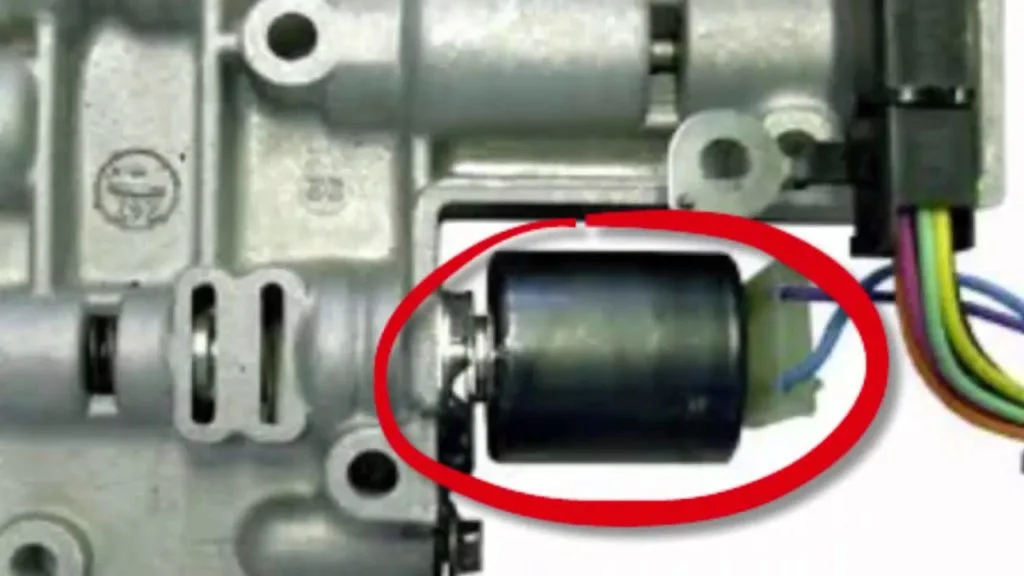
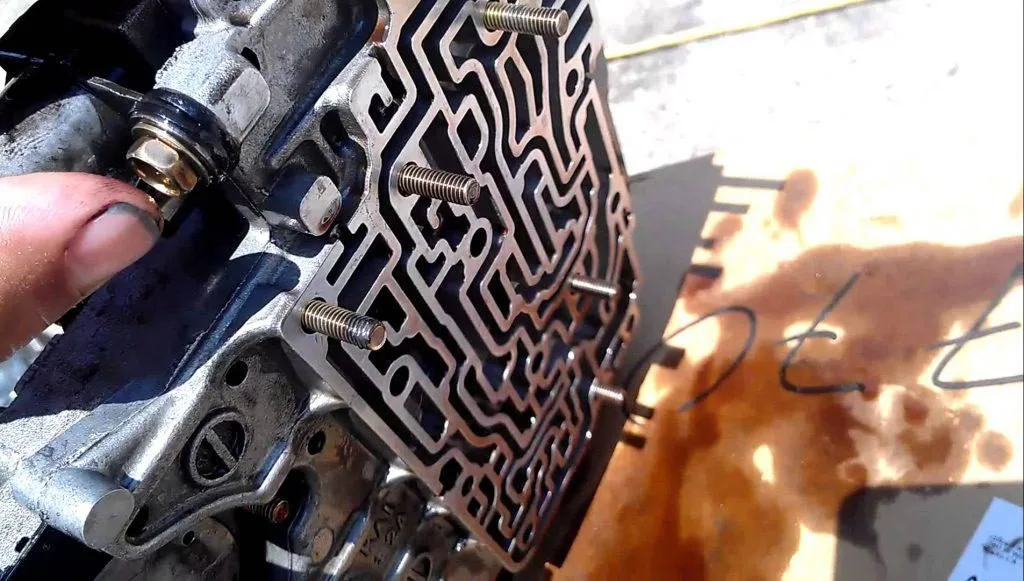
Faulty shift solenoids are another common issue. Solenoids control hydraulic fluid flow inside the valve body, and when they fail, the transmission may shift harshly or remain stuck in certain gears.
Common repairs may include:
- transmission fluid replacement
- shift solenoid replacement
- speed sensor replacement
- valve body repair
- wiring harness repair
- TCM replacement or reprogramming
- transmission filter replacement
In severe cases involving internal clutch damage or excessive metal debris, a transmission rebuild or replacement may be necessary.
Related Article: Can a Bad Rear End Cause Transmission Problems?
Can You Drive With a Transmission Control System MIL Request?
Driving with a transmission MIL request warning is possible in some cases, but it is not recommended for extended periods. Even if the vehicle continues moving, ongoing transmission problems can worsen quickly and create more expensive damage.
Many vehicles enter limp mode after detecting serious transmission faults. Limp mode limits shifting and engine performance to help protect the transmission from catastrophic failure.
Continuing to drive with slipping gears, overheating fluid, or harsh shifting may damage:
- clutch packs
- valve body components
- torque converter
- internal bearings
- planetary gear sets
If the vehicle develops severe shifting issues or transmission overheating symptoms, diagnosis should be performed immediately.
Related Article: Can I Use Brake Cleaner to Clean Transmission Parts?
Tips to Prevent Transmission Control System Problems
Preventive maintenance is one of the best ways to reduce the risk of transmission MIL request warnings and expensive transmission repairs. Many transmission problems develop gradually because of neglected fluid changes, overheating, or unresolved electrical issues.
Checking transmission fluid regularly can help identify contamination or low fluid levels before major damage occurs. Using the manufacturer-recommended transmission fluid is also critical because incorrect fluid types can affect shift quality and hydraulic pressure.
Avoiding excessive towing, aggressive acceleration, and prolonged overheating conditions can help extend transmission lifespan significantly. Addressing small shifting problems early often prevents larger internal transmission failures later.
Regular transmission inspections, fluid services, and electrical system maintenance can help keep the transmission operating smoothly for years.
Final Thoughts
Understanding transmission control system MIL request warnings begins with diagnosing the specific transmission fault stored inside the TCM. While the P0700 code itself acts mainly as a general warning, the underlying issue may involve fluid pressure problems, faulty shift solenoids, damaged wiring, sensor failures, or internal transmission wear.
Drivers experiencing a P0700 transmission control system (MIL request) warning should diagnose the issue quickly to prevent additional transmission damage and expensive repairs later. Proper scanning, fluid inspection, and electrical testing are essential for identifying the real cause before replacing major transmission components unnecessarily.
By maintaining transmission fluid properly, repairing shifting problems early, and performing regular inspections, vehicle owners can improve transmission reliability and reduce the chances of future MIL request warnings.