
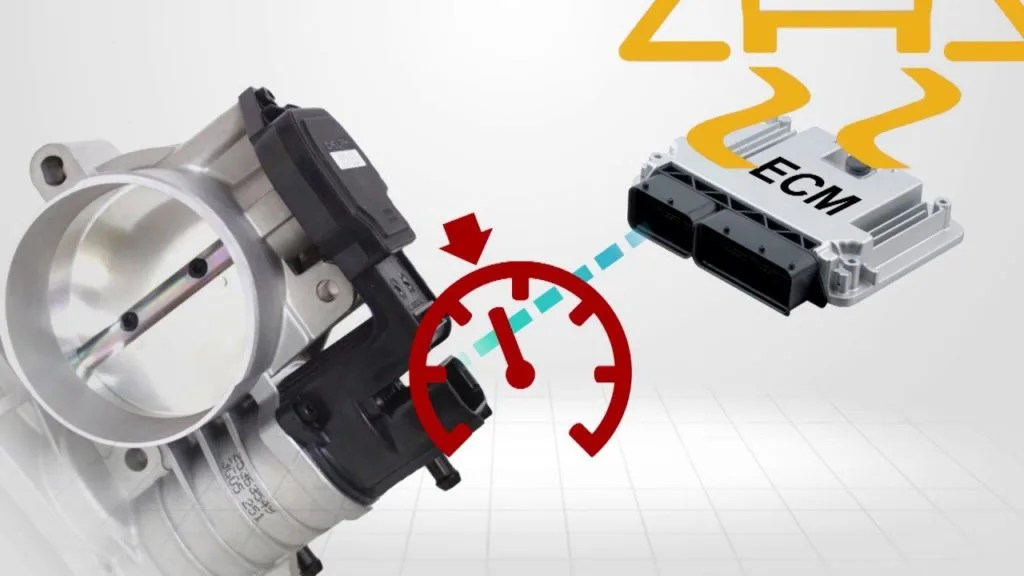

If you are searching for how to fix throttle actuator control system, your vehicle may be experiencing reduced engine power, poor throttle response, rough idle, or sudden acceleration problems. The throttle actuator control (TAC) system is a critical part of modern electronic throttle systems, helping regulate airflow into the engine while communicating with the Engine Control Module (ECM).
When the TAC system fails, drivers may notice warning messages such as:
- Reduced Engine Power
- Service Throttle Control
- Limp Mode Activated
- Electronic Throttle Control Warning
In many vehicles, throttle actuator problems can trigger diagnostic trouble codes like:
- P2111
- P2112
- P2106
- P2173
These codes are commonly associated with issues such as a throttle actuator control system stuck open, airflow irregularities, idle relearn failures, or forced limited power mode. Proper diagnosis is important because the issue may involve the throttle body, throttle position sensor, accelerator pedal sensor, wiring harness, or ECM communication faults.
This guide explains what the throttle actuator control system does, common symptoms, major causes, and how to diagnose and repair throttle actuator problems correctly.
Throttle Actuator Control Systems
Related Article: How to Bypass Limp Mode BMW?
What Is a Throttle Actuator Control System?
The throttle actuator control (TAC) system is an electronic system that controls the throttle valve inside the throttle body. Unlike older cable-operated throttle systems, modern electronic throttle systems use sensors and electric motors to regulate airflow into the engine automatically.
The TAC system continuously communicates with:
- Engine Control Module (ECM)
- Accelerator pedal position sensor
- Throttle position sensor
- Air intake system
- Fuel injection system
When the driver presses the accelerator pedal, the ECM calculates the desired throttle opening and commands the throttle actuator motor to adjust airflow accordingly.
Because the system directly affects acceleration, idle quality, emissions performance, and fuel efficiency, even small faults can cause noticeable drivability problems.
Throttle actuator repair costs can vary depending on whether the issue involves carbon buildup, a faulty throttle body, damaged wiring, or electronic throttle control components. In some vehicles, a simple throttle body cleaning may solve airflow and idle problems, while more serious TAC system failures may require throttle body replacement, sensor calibration, or diagnostic testing to restore proper engine performance and eliminate reduced power warnings.
Use our Free Auto Repair Cost Estimator to calculate the expected repair cost based on your vehicle issue.
Use the Repair Cost Estimator
Related Article: How to Calibrate Brake Pedal Position Sensor?
Common Symptoms of Throttle Actuator Control System Problems
Throttle actuator problems can create several engine performance issues depending on the severity of the failure. In some cases, symptoms appear gradually, while in others the vehicle may suddenly enter limp mode or reduced power mode.
One of the most common symptoms is delayed throttle response. The vehicle may hesitate during acceleration or feel unresponsive when pressing the gas pedal. Drivers often notice rough idle conditions or unstable RPM fluctuations at stoplights.
Other common symptoms include:
- check engine light
- reduced engine power warning
- stalling
- poor acceleration
- rough idle
- forced limited RPM mode
- engine surging
- poor fuel economy
- hard starting
- throttle lag
Some vehicles may also trigger a throttle actuator control system forced limited power warning when the ECM detects unsafe throttle behavior.
Related Article: What Does a Throttle Body Heater Inlet Pipe Do?
Common Causes of TAC System Failure
Several components can cause throttle actuator control system failures. Because the TAC system relies heavily on sensor communication and precise airflow control, even minor electrical issues can trigger warning codes and reduced power conditions.
One of the most common causes is carbon buildup inside the throttle body. Dirt and carbon deposits can restrict throttle plate movement and interfere with airflow calculations. In severe cases, the throttle plate may stick partially open or closed.
Other common causes include:
- faulty throttle body
- damaged throttle actuator motor
- failing throttle position sensor
- accelerator pedal sensor failure
- vacuum leaks
- dirty Mass Air Flow (MAF) sensor
- wiring harness damage
- ECM communication problems
- low battery voltage
- poor ground connections
A throttle actuator control system stuck closed condition can also occur when the throttle plate cannot move freely because of contamination or internal motor failure.
Related Article: Why Does My Gas Pedal Feel Loose?
How to Diagnose Throttle Actuator Control System Problems?
Diagnosing TAC system problems properly is important because multiple components share communication signals within the electronic throttle system. Replacing parts blindly often leads to unnecessary expenses and recurring trouble codes.
Start by connecting an advanced OBD-II scanner capable of reading:
- throttle position data
- accelerator pedal data
- airflow readings
- TAC motor commands
- manufacturer-specific trouble codes
Common TAC-related codes include:
- P2111
- P2112
- P2106
- P2173
A P2111 code often relates to a throttle actuator system stuck open condition, while P2112 typically indicates the throttle plate is stuck closed. P2106 is commonly associated with forced limited power mode after the ECM detects unsafe throttle operation.
Inspect freeze-frame data carefully because it can help identify whether the issue occurred during acceleration, idle conditions, or high airflow situations.
Related Article: How to Fix Electronic Throttle Control Chrysler 300?
Inspect the Throttle Body Carefully
The throttle body is one of the most important components in the electronic throttle control system. Over time, carbon buildup and oil residue can accumulate around the throttle plate, restricting airflow and preventing smooth movement.
Remove the air intake tube and inspect the throttle body for:
- heavy carbon deposits
- oil contamination
- sticking throttle plate
- damaged throttle blade
- excessive dirt buildup
If the throttle plate appears dirty, cleaning the throttle body may restore normal operation. Use throttle body cleaner and a soft cloth to remove buildup carefully without damaging sensors or electrical components.
A dirty throttle body can sometimes trigger a throttle actuator control system high airflow detected condition because the ECM struggles to calculate airflow accurately.
Related Article: How to Get a Nissan Altima Out of Limp Mode?
Clean the Throttle Body Correctly
Throttle body cleaning is one of the most effective solutions for minor TAC system problems. Carbon buildup near the throttle plate can cause idle instability, airflow restrictions, and incorrect throttle positioning.
Before cleaning:
- disconnect the battery if recommended by the manufacturer
- remove the intake hose
- inspect all electrical connectors
Spray throttle body cleaner onto a clean cloth rather than directly into sensitive electronics. Carefully wipe carbon buildup from:
- throttle plate edges
- throttle bore
- airflow passages
Avoid forcing the throttle plate open aggressively because some electronic throttle bodies can become damaged if moved improperly. After cleaning, some vehicles may require a throttle relearn or idle relearn procedure to restore proper idle calibration.
Replace a Faulty Throttle Body
If cleaning does not resolve the issue, the throttle body itself may have failed internally. Electronic throttle bodies contain:
- throttle actuator motors
- position sensors
- internal gears
- electronic circuits
Internal failures can cause:
- throttle sticking
- inaccurate throttle positioning
- forced idle mode
- reduced power activation
A faulty throttle body can also trigger a throttle actuator control system stuck open or stuck closed condition repeatedly even after cleaning.
When replacing the throttle body:
- disconnect the battery
- remove intake tubing
- disconnect electrical connectors
- install a new gasket if required
- torque mounting bolts properly
After installation, many vehicles require throttle position relearning procedures using a scan tool or manufacturer-specific calibration process.
Related Article: How to Get Power Stroke Out of Limp Mode?
Check Wiring and Electrical Connections
Electrical problems are another major cause of TAC system failures. Heat, moisture, and engine vibration can damage wiring harnesses over time, especially near the throttle body and intake manifold.
Inspect the wiring harness carefully for:
- corrosion
- frayed wires
- loose connectors
- damaged insulation
- bent terminals
Poor electrical communication can trigger multiple throttle-related trouble codes simultaneously and may force the ECM into reduced power mode for safety reasons. Low battery voltage can also create false TAC system errors. Modern electronic throttle systems rely heavily on stable voltage and accurate sensor communication.
Related Article: Is the Throttle Body Supposed to Close All the Way?
Understanding Forced Limited Power and Idle Conditions
When the ECM detects dangerous throttle behavior, it may intentionally reduce engine power to protect the vehicle and driver. This condition is commonly known as limp mode or forced limited power mode.
A throttle actuator control system forced limited power condition may occur when:
- throttle position readings become unstable
- airflow calculations appear unsafe
- throttle plate movement becomes inconsistent
- communication with the TAC motor fails
Similarly, a forced idle condition may occur when the ECM limits throttle response to prevent unintended acceleration. These protective modes are designed to reduce the risk of engine damage or loss of vehicle control while alerting the driver that immediate diagnosis is necessary.
Tips to Prevent Future Throttle Actuator Problems
Preventive maintenance can significantly reduce the chances of throttle actuator control system failures. Many TAC problems develop slowly because of carbon buildup, neglected air intake maintenance, or unresolved electrical issues.
Cleaning the throttle body periodically can help maintain proper airflow and smooth throttle response. Replacing dirty air filters regularly also helps reduce contaminants entering the intake system.
Inspecting wiring harnesses, battery terminals, and ground connections can prevent communication failures and voltage-related TAC issues. Addressing small drivability problems early often prevents larger throttle system failures later.
Using OEM-quality replacement parts is highly recommended because low-quality aftermarket throttle bodies or sensors may produce inaccurate readings and recurring reduced power conditions.
Final Thoughts
Understanding how to fix throttle actuator control system problems begins with identifying whether the issue involves carbon buildup, faulty throttle body components, airflow problems, sensor failures, or electrical communication faults. Because modern electronic throttle systems rely heavily on precise airflow calculations and sensor communication, proper diagnosis is essential before replacing expensive components.
Issues such as a throttle actuator control system stuck open, reduced power activation, airflow detection faults, or throttle plate sticking can often be repaired through cleaning, wiring repairs, or sensor replacement. However, more severe failures may require complete throttle body replacement and idle relearn procedures.
By diagnosing problems early, maintaining the throttle body properly, and using quality replacement parts, drivers can improve throttle response, restore engine performance, and prevent recurring TAC system faults in the future.