
A proper windshield wiper switch replacement is essential for maintaining visibility and driving safety during rain, snow, fog, and other harsh weather conditions. The windshield wiper switch controls multiple wiper functions including intermittent wiping, washer fluid activation, rear wiper operation in some vehicles, and variable speed settings.
When the switch begins to fail, drivers may experience:
- wipers not turning on
- wipers getting stuck
- washer fluid not spraying
- intermittent operation failure
- wipers running continuously
- delayed wiping response
Because modern vehicles rely on electronic controls and integrated steering column modules, diagnosing a faulty car windshield wiper switch properly is important before replacing parts unnecessarily.
This guide explains common symptoms, causes, diagnosis methods, replacement procedures, repair costs, and maintenance tips to help restore proper windshield wiper operation safely.
What Is a Windshield Wiper Control Switch?
The windshield wiper control switch is the component responsible for controlling the operation of the windshield wipers and washer system. In most vehicles, the switch is integrated into the steering column multifunction stalk near the turn signal lever.
The switch sends signals to:
- the windshield wiper motor
- the washer pump
- the wiper relay
- body control modules
- intermittent timing systems
Modern vehicles often combine:
- turn signals
- high beam controls
- cruise control
- washer controls
- wiper settings
into one multifunction switch assembly.
When the switch fails, communication between the driver and the wiper system becomes inconsistent, affecting visibility and road safety.
Repair costs for windshield wiper system problems can vary depending on whether the issue involves the multifunction switch, relay, steering column wiring, fuse box, or wiper motor assembly.
Use our Free Auto Repair Cost Estimator to calculate the expected repair cost based on your vehicle issue.
Use the Repair Cost Estimator
In some vehicles, a simple relay or fuse replacement may restore normal operation quickly, while more advanced steering column electronics or multifunction switch failures may require additional diagnostics and component replacement to fully restore safe windshield visibility during poor weather conditions.
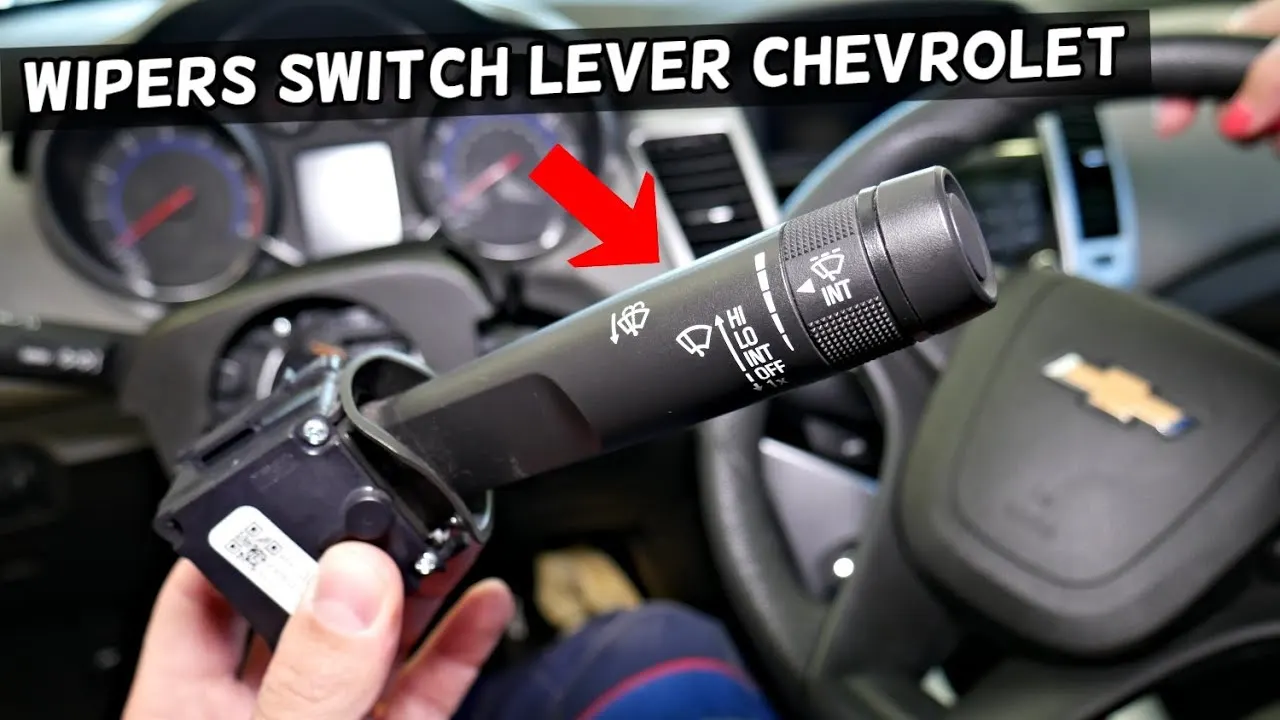
Credit: www.youtube.com
Related Article: How to Stop Wiper Blades Squeaking?
Where Is the Windshield Wiper Switch Located?
Many drivers ask, where is the windshield wiper switch located when troubleshooting visibility problems or planning a replacement.
In most vehicles, the switch is located:
- on the steering column
- behind the steering wheel
- attached to the multifunction stalk assembly
Some vehicles place the wiper controls:
- on the right-side steering stalk
- on the left-side multifunction lever
- within dashboard-mounted control systems
Luxury vehicles and newer electronic systems may integrate the switch into steering column control modules or body control systems.
If you are unsure where is the windshield wiper switch located, consulting the vehicle owner’s manual or factory repair manual can help identify the exact component location and removal procedure.
Related Article: Can an Acorn Crack a Windshield?
Common Symptoms of a Bad Car Windshield Wiper Switch
A failing car windshield wiper switch can create several noticeable problems before complete failure occurs. Symptoms may appear intermittently at first and worsen over time as internal contacts wear out.
One common symptom is the windshield wipers failing to respond when the switch is activated. In other cases, the wipers may continue operating even after turning the switch off.
Other common warning signs include:
- intermittent wipers not working
- washer fluid not spraying
- wipers stuck on one speed
- delayed wiping operation
- wiper motor clicking noises
- rear wiper malfunction
- steering column electrical issues
- blown wiper fuse
Electrical contact wear inside the switch assembly is one of the leading causes of intermittent operation problems.
Related Article: How to Spray Windshield Wiper Fluid Tesla Model 3?
Common Causes of Windshield Wiper Switch Failure
Several issues can lead to windshield wiper switch failure over time. Because the switch is used frequently, normal wear and tear is often the primary cause.
Common causes include:
- worn electrical contacts
- moisture intrusion
- steering column wiring damage
- corrosion inside the switch
- blown fuses
- failed multifunction switch assembly
- damaged connectors
- electrical short circuits
In some vehicles, a faulty windshield wiper relay switch may mimic the symptoms of a failed switch itself. That is why proper electrical testing is important before replacing components.
Aftermarket electrical accessories installed near the steering column can also interfere with multifunction switch communication.
Related Article: Why Do My Windshield Wipers Leave Haze?
Diagnose the Windshield Wiper Relay Switch First
Before replacing the switch itself, inspect the windshield wiper relay switch and related electrical components. Relays control power delivery to the wiper motor and can fail independently from the control switch.
A faulty relay may cause:
- wipers staying on continuously
- delayed operation
- clicking sounds
- intermittent failure
- no power reaching the wiper motor
Use a multimeter or relay tester to check:
- relay continuity
- voltage supply
- ground signals
- fuse integrity
Replacing a failed relay is often less expensive than replacing the entire multifunction switch assembly.
Related Article: Why Do Jeep Windshields Crack So Easily?
How to Perform a Windshield Wiper Switch Replacement?
A complete windshield wiper switch replacement typically involves removing steering column trim panels and disconnecting the old multifunction switch assembly carefully.
Before beginning:
- disconnect the negative battery terminal
- wait several minutes for airbag systems to discharge
- gather proper trim removal tools
Basic replacement steps include:
- Remove steering column covers carefully.
- Locate the multifunction switch assembly.
- Disconnect the electrical connectors.
- Remove retaining screws or clips.
- Install the new switch assembly securely.
- Reconnect all wiring connectors.
- Reinstall trim panels.
- Reconnect the battery.
- Test all wiper and washer functions.
Always verify compatibility before installing replacement parts because switch configurations vary significantly between vehicle models.
Related Article: How to Tighten Wiper Pivot Nuts?
OEM vs Aftermarket Windshield Wiper Switch
Many vehicle owners consider using an aftermarket windshield wiper switch to reduce repair costs. While aftermarket parts can sometimes work well, quality differences between manufacturers may affect long-term reliability.
OEM switches are designed specifically for:
- factory wiring systems
- steering column integration
- electronic communication modules
- vehicle-specific programming
An aftermarket windshield wiper switch may offer lower upfront cost, but lower-quality internal contacts or poor fitment can create intermittent operation issues later.
When choosing replacement parts, selecting high-quality OEM-equivalent components is highly recommended for proper electrical performance and durability.
Related Article: How to Bypass Windshield Wiper Switch?
Windshield Wiper Switch Replacement Cost
Many drivers researching windshield wiper switch replacement cost are surprised to learn that prices vary widely depending on vehicle complexity and labor requirements.
Repair costs depend on:
- vehicle make and model
- multifunction switch design
- steering column accessibility
- labor rates
- electronic calibration requirements
Average replacement costs may include:
| Repair Type | Estimated Cost |
| Wiper Relay Replacement | $50 – $150 |
| Fuse Replacement | $20 – $60 |
| Multifunction Switch Replacement | $150 – $450 |
| Steering Column Wiring Repair | $100 – $400 |
| OEM Switch Replacement | $250 – $700 |
Luxury vehicles with integrated steering column electronics may cost significantly more because of advanced programming requirements.
Related Article: How to Turn On Rain Sensing Wipers Mercedes?
DIY Guide: How to Replace the Turn Signal Wiper Combination Switch on a VW?
Tips to Prevent Windshield Wiper Switch Problems
Preventive maintenance can help extend the life of your windshield wiper system and reduce electrical problems over time.
Helpful maintenance tips include:
- replacing worn wiper blades regularly
- avoiding dry windshield wiping
- keeping washer fluid full
- protecting steering column electronics from moisture
- inspecting fuse boxes periodically
- repairing windshield leaks quickly
Excessive force on frozen wiper blades during winter can overload:
- wiper motors
- relays
- control switches
- fuse circuits
Cleaning electrical connectors occasionally can also help prevent corrosion-related switch failures.
Final Thoughts
Understanding windshield wiper switch replacement procedures can help drivers diagnose visibility problems more accurately and avoid unnecessary repairs. In many cases, issues involving the windshield wiper control switch, relay system, or steering column wiring can create intermittent or complete wiper failure.
Before replacing expensive components, inspecting the windshield wiper relay switch, fuse circuits, battery voltage, and steering column wiring is highly recommended. Proper diagnosis can often identify simple electrical issues before major repairs become necessary.
Whether you choose an OEM component or an aftermarket windshield wiper switch, installing high-quality replacement parts and maintaining the wiper system regularly can help ensure safe driving visibility and reliable operation in all weather conditions.