
A rattling heat shield is one of the most common causes of strange noises underneath a vehicle. Drivers often notice the sound when starting the car, accelerating, or driving over rough roads. Since the heat shield sits close to the exhaust system, even a small loose section can create loud vibrations and metallic rattling noises.
The good news is that fixing a rattling heat shield is usually simple and affordable. In many cases, the issue comes from loose bolts, rusted clamps, or worn mounting hardware. Understanding the cause of the problem early can help prevent expensive exhaust repairs later on.
What Is a Heat Shield?
A heat shield is a thin metal cover installed around hot exhaust components such as the catalytic converter, muffler, and exhaust pipes. Its main purpose is to reduce the amount of heat transferred to nearby vehicle parts. This helps protect the underbody, fuel lines, and interior cabin from excessive temperatures during driving.
Over time, exposure to road salt, water, dirt, and constant heating cycles can weaken the shield or its mounting points. Once the hardware becomes loose, the shield starts vibrating against the exhaust system. This often creates the familiar rattling heat shield sound many drivers hear while driving or idling.
Common Causes of a Rattling Heat Shield
The most common reason for a heat shield rattling problem is rust around the mounting bolts or brackets. As the metal corrodes, the shield loses support and begins to shake against nearby exhaust parts. Even a small gap between the shield and exhaust pipe can produce noticeable rattling sounds.
Another common issue is physical damage caused by road debris, speed bumps, or potholes. If the shield becomes bent or cracked, it may no longer sit securely in place. In some vehicles, worn exhaust hangers can also contribute to a heat shield car rattling noise by allowing extra movement in the exhaust system.
Related Article: How to Remove Heat Shield from Car?
How Much Does It Cost to Fix a Heat Shield?
The cost of repairing a heat shield depends on the extent of the damage and the type of vehicle you drive. Simple repairs involving loose bolts or clamps are usually inexpensive and may cost less than $50. DIY repairs are often affordable because the required parts are relatively cheap.
Use our Free Auto Repair Cost Estimator to calculate the expected repair cost based on your vehicle issue.
Use the Repair Cost Estimator
If the shield is badly rusted or damaged, replacement costs can range from $150 to $400 or more. Vehicles with complex exhaust systems or integrated catalytic converter shields may require additional labor charges. Repairing the issue early is usually much cheaper than replacing damaged exhaust components later.
Signs Your Heat Shield Is Loose
One of the clearest signs of trouble is hearing a metallic vibration underneath the car during startup or acceleration. The noise often becomes louder when the engine is cold because metal contracts before warming up. Many drivers describe the issue as a buzzing or tin-can shaking sound coming from beneath the vehicle.
You may also notice the noise getting worse while driving over bumps or uneven roads. A heat shield rattling under car condition usually becomes more noticeable at lower speeds or while idling at traffic lights. In severe cases, the shield may hang lower than normal or visibly shake while the engine is running.
Related Article: How to Paint a Bumper with Spray Cans?
How To Fix A Rattling Heat Shield?
Related Article: How to Bypass ABS Pump?
How to Fix a Rattling Heat Shield?
Follow these steps:
Step 1: Locate the Source of the Noise
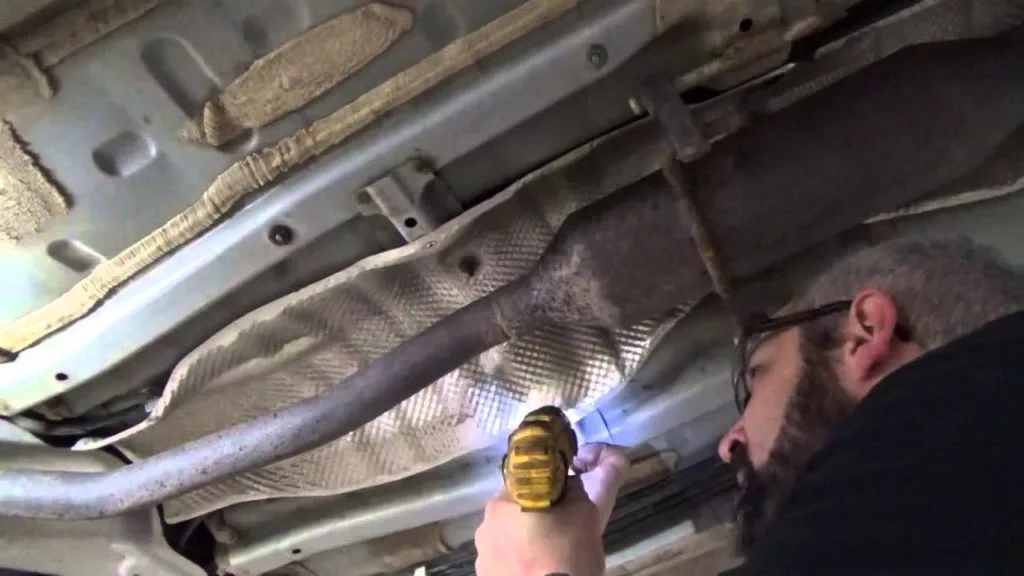
Start by parking the vehicle on a level surface and allowing the exhaust system to cool completely. Never inspect the exhaust while it is hot because temperatures can remain extremely high long after driving. Once safe, look underneath the vehicle and identify where the rattling noise is coming from.
Most heat shields are located around the catalytic converter, muffler, or exhaust pipes. Have someone lightly rev the engine while you listen carefully for vibrations. A heat shield on exhaust rattling problem is usually easy to identify because the noise changes with engine RPM.
Step 2: Inspect the Mounting Hardware
After locating the shield, inspect all bolts, screws, and mounting brackets holding it in place. Rusted or missing hardware is one of the leading causes of heat shield movement. Even slightly loose fasteners can allow the shield to vibrate loudly while driving.
Use a wrench or socket set to tighten any loose bolts carefully. If you notice broken clips or corroded hardware, replace them immediately with heat-resistant replacements. Many cases of loose exhaust heat shield rattling can be fixed within minutes simply by securing the original mounting points properly.
Step 3: Check for Rust or Physical Damage
Inspect the shield itself for cracks, holes, or bent sections caused by corrosion or impact damage. Rust weakens the thin metal over time and can eventually cause parts of the shield to separate completely. Once this happens, tightening the bolts alone may no longer solve the issue.
If the damage is minor, large washers or metal repair clamps may temporarily hold the shield in place. However, heavily corroded shields should be replaced entirely for long-term reliability. Drivers often say, “my heat shield is rattling again,” when temporary repairs fail to address severe rust damage.
Related Article: How to Test an ATV Coil?
Step 4: Secure the Heat Shield Properly
If the shield cannot be tightened using factory hardware, you can use stainless steel hose clamps or exhaust repair straps as an alternative solution. These clamps help secure loose sections tightly against the exhaust pipe and reduce vibration. This method is commonly used for older vehicles with rusted mounting points.
Make sure the shield does not touch moving suspension components or surrounding metal parts after tightening it. Improper positioning may create additional noise or vibrations while driving. A properly secured heat shield on car rattling issue should disappear immediately after installation.
Step 5: Test Drive the Vehicle
Once the repair is complete, start the engine and let it idle for several minutes while listening for unusual noises. Lightly rev the engine and check whether the rattling sound has stopped completely. If everything sounds normal, take the vehicle for a short road test.
Drive over small bumps and accelerate gradually to confirm the repair was successful. If the noise returns during the test drive, another section of the exhaust system may also be loose. In some cases, multiple shields can fail at the same time on older vehicles.
Related Article: Can You Drive Without a Heat Shield?
Temporary Fixes for a Rattling Heat Shield
If you cannot perform a full repair immediately, temporary fixes may help reduce the noise until proper repairs are completed. Metal zip ties, hose clamps, or exhaust repair bands can often hold a loose shield securely for a short period. These solutions are inexpensive and widely available at auto parts stores.
However, temporary repairs should not replace permanent solutions for severely damaged heat shields. Continued exposure to vibration and heat can eventually worsen the problem over time. A temporary fix may stop the heat shield rattling under car noise for now, but replacement is often the better long-term option.
Is a Rattling Heat Shield Dangerous?
In many situations, a loose heat shield is not immediately dangerous, but it should never be ignored for too long. Heat shields play an important role in protecting nearby components from extreme exhaust temperatures. Without proper protection, sensitive parts under the vehicle may become exposed to excessive heat.
A severely loose shield can also fall and drag underneath the vehicle while driving. In rare cases, damaged shields may increase the risk of melted wiring or heat-related damage. Addressing a heat shield rattling issue early helps prevent more serious exhaust and safety problems later.
Why Does My Heat Shield Keep Rattling?
If the rattling noise keeps returning, the underlying issue may not have been fully repaired. Rust often spreads around mounting points and weakens nearby metal over time. Even after tightening one section, another part of the shield may loosen shortly afterward.
The exhaust system itself may also contribute to repeated rattling noises. Broken exhaust hangers or worn rubber mounts can create excessive movement that affects the heat shield. Persistent heat shield on exhaust rattling sounds should be inspected by a professional mechanic for a complete diagnosis.
Related Article: What Does a Rattling Heat Shield Sound Like?
When Should You See a Mechanic?
You should visit a mechanic if the rattling becomes louder, constant, or difficult to locate. Professional technicians can safely lift the vehicle and inspect the entire exhaust system for hidden problems. This is especially important if the catalytic converter or exhaust pipe appears damaged.
A mechanic can also determine whether the shield can be repaired or if full replacement is necessary. Continuing to drive with severe exhaust vibrations may eventually damage other components. Professional inspection ensures the problem is fixed correctly and safely.
Conclusion
A rattling heat shield may seem like a small annoyance at first, but it can quickly lead to larger exhaust problems if ignored. Most cases are caused by loose hardware, rust, or worn mounting brackets that allow the shield to vibrate during driving. Fortunately, many repairs are simple enough for vehicle owners to handle themselves.
By inspecting the exhaust system regularly and fixing loose heat shields early, you can avoid costly repairs and improve driving comfort. Whether you tighten the hardware, install clamps, or replace the shield entirely, taking action quickly is the best way to stop unwanted rattling noises for good.