
If you are asking, why does my car shake going over 60, you are not alone. Many drivers notice vibrations in the steering wheel, seats, or entire vehicle once highway speeds are reached. The issue may start small at first, but it can quickly become more noticeable and uncomfortable if left untreated.
In most cases, shaking at high speeds is caused by tire imbalance, suspension wear, brake issues, or damaged wheel components. Understanding the exact reason behind the vibration is important because driving with excessive shaking can affect handling, tire life, and overall vehicle safety.
Common Reasons Why Your Car Shakes Over 60 MPH
One of the most common causes of vehicle vibration is unbalanced tires. When tires are not evenly balanced, they rotate unevenly at higher speeds and create vibrations throughout the car. This usually becomes noticeable around 55 to 70 mph because the imbalance becomes stronger as wheel speed increases.
Another major reason is worn suspension components such as shocks, struts, tie rods, or ball joints. These parts help stabilize the vehicle while driving, and once they wear out, the car may shake or wobble on the highway. If you are wondering why does my car shake when going over 60, suspension problems are often one of the first areas mechanics inspect.

Credit: www.youtube.com
Tire Problems Can Cause High-Speed Vibrations
Tires play a major role in how smoothly your car drives, especially at highway speeds. Uneven tire wear, low tire pressure, or damaged tires can all create vibrations that worsen once you exceed 60 mph. Sometimes the issue comes from flat spots on the tires caused by sudden braking or long periods of sitting.
Bent wheels or improperly aligned tires may also contribute to shaking. Even a small wheel imbalance can cause the steering wheel to vibrate noticeably at higher speeds. Regular tire rotations and balancing services help reduce the chances of experiencing these problems while driving.
Related Article: Can Bad Shocks Make Your Car Shake?
Wheel Alignment Issues
Poor wheel alignment is another common reason vehicles shake on the highway. When the wheels are not aligned correctly, the tires make uneven contact with the road surface. This uneven contact creates instability that often becomes more obvious as speed increases.
Drivers may also notice the vehicle pulling to one side or uneven tread wear along the edges of the tires. In many cases, correcting the alignment improves both ride quality and tire lifespan. Ignoring alignment problems for too long can lead to more expensive suspension repairs later.
Brake Problems That Cause Shaking
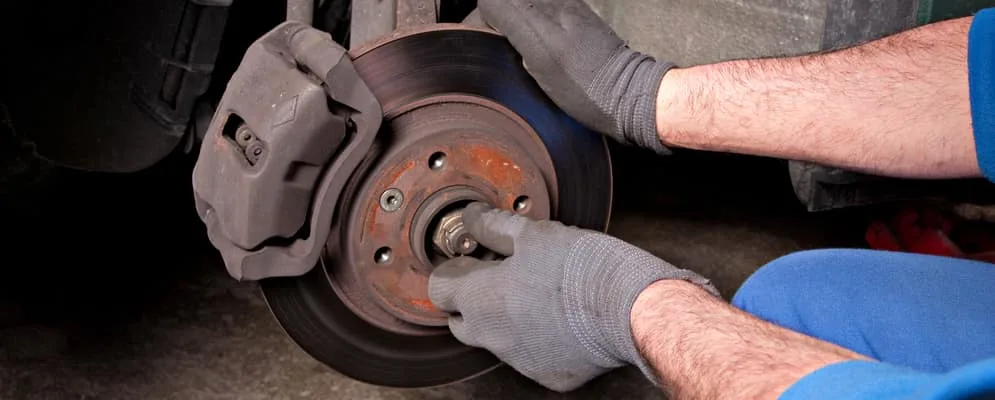
If the vibration occurs mainly while braking at high speeds, warped brake rotors may be the issue. Rotors can become uneven due to excessive heat generated during hard braking. Once warped, they create vibrations that are felt through the steering wheel and brake pedal.
Brake caliper problems can also contribute to uneven braking and shaking. If you experience vibrations specifically when slowing down from highway speeds, the braking system should be inspected immediately. Continuing to drive with damaged brake components can reduce stopping performance and safety.
Related Article: Why Does My Car Shake When I Reverse?
Suspension and Steering Component Wear
Your suspension system absorbs bumps and keeps the vehicle stable while driving. Over time, parts like bushings, ball joints, control arms, and shocks wear out from constant use. When these components become loose or damaged, the vehicle may vibrate excessively at higher speeds.
Steering components can also affect how stable the car feels on the road. Loose tie rods or worn steering parts often create shaking that worsens during turns or rough road conditions. These issues should be repaired quickly to prevent additional wear on other vehicle systems.
Engine and Transmission Problems
Although tire and suspension issues are more common, engine or transmission problems can also create vibrations. Engine misfires may cause the vehicle to shake while accelerating, especially at highway speeds. Faulty spark plugs, ignition coils, or fuel injectors are often responsible for these problems.
Transmission issues may also create unusual vibrations while shifting gears or maintaining speed. If the shaking feels more mechanical than wheel-related, a professional diagnostic inspection may be needed. Catching drivetrain problems early can help prevent major repair costs.
Use our Free Auto Repair Cost Estimator to calculate the expected repair cost based on your vehicle issue.
Use the Repair Cost Estimator
Why Does My Car Shake at 60 But Not 70?
Some drivers notice the vibration is strongest around 60 mph but disappears or becomes weaker at higher speeds. This usually happens because certain wheel or suspension imbalances resonate at specific speed ranges. Once the vehicle passes that speed, the vibration pattern may temporarily change.
This type of issue is commonly linked to tire balancing problems or worn suspension components. Even though the shaking may seem minor at certain speeds, it should still be inspected. Small vibrations can gradually worsen and lead to bigger handling problems over time.
Is It Safe to Drive a Shaking Car?
Driving a car that shakes at high speeds is not always dangerous immediately, but it should never be ignored. Vibrations often indicate worn or damaged components that can affect steering, braking, and tire performance. The longer the issue continues, the greater the risk of additional mechanical damage.
In severe cases, shaking can reduce vehicle stability and make the car harder to control during emergency situations. If the vibration suddenly becomes worse or is accompanied by noises, pulling, or steering problems, you should have the vehicle inspected as soon as possible.
Related Article: Can Low Oil Make Your Car Shake?
How to Fix a Car That Shakes Over 60 MPH?
The first step is to inspect and balance all four tires properly. Tire balancing solves many highway vibration problems and is usually one of the least expensive repairs. Mechanics will also check for damaged wheels, uneven tire wear, and alignment issues during the inspection.
If the problem continues, the suspension, steering, brakes, and drivetrain should be examined carefully. Replacing worn shocks, tie rods, brake rotors, or wheel bearings often restores smooth driving performance. Drivers searching for answers to why does my car shake when going over 60 should always start with a full tire and suspension inspection.
What Causes Car to Shake at High Speeds?
When a car shakes at high speeds, it is usually due to an issue with the suspension or alignment of the vehicle. Poorly aligned wheels can cause vibrations that will be felt in the steering wheel and throughout the cabin as well as shaking on higher speeds. This can also be caused by worn out shocks, struts or other suspension components like bushings and ball joints which are used to keep your car stable while driving on uneven surfaces.
Worn tires can also contribute to this problem as they may have less grip on the road than newer ones resulting in increased shaking when going fast. Additionally, unbalanced wheels (uneven wear) might cause similar problems if one side has more weight than another. To diagnose what is causing your car shake at high speed you should take your vehicle into a qualified mechanic who can inspect all these parts and recommend any necessary repairs or replacements for better performance and stability at higher speeds.
Why Does My Car Shake When I Brake from 60 to 80?
It’s normal to feel some vibration when you brake, especially if your car is older. But if there’s an excessive amount of shaking when braking from 60-80 mph, then it may indicate a problem with the brakes or suspension system. Common causes for this type of shaking include warped rotors and worn shock absorbers.
Warped rotors can be caused by continuous high speed braking or excessive heat build up due to hard stops in quick succession. Worn shock absorbers on the other hand will cause excess vibration as they fail to dampen the bouncing motion of your car’s wheels over bumps and uneven surfaces. If you experience a strong shake when applying regular brakes at higher speeds, like between 60-80 mph, its best that you get your vehicle inspected as soon as possible so any potential problems can be identified and addressed before they become more serious issues later on down the road.
Why Does My Tire Feel Like It’S Wobbling at High Speeds?
If you have been driving your car at high speeds and noticed that the tires feel like they are wobbling, it is important to take a closer look. This feeling can be caused by a number of issues, including tire imbalance, worn suspension components, misaligned wheels or faulty wheel bearings. Tire imbalance occurs when one side of the tire has more weight than the other.
When this happens at high speeds, it causes an oscillating motion in the tread which can lead to vibrations and an overall wobbly feeling. Worn suspension components such as shocks and struts can also contribute to this issue since they provide support for your wheels while driving. If these parts become worn out over time due to wear and tear then they won’t be able to keep your tires stabilized when driving at higher speeds resulting in a wobble feeling.
Wheel alignment is also crucial since if your wheels aren’t aligned correctly then there will be uneven contact with the road leading to further instability while driving fast. Finally, bad wheel bearings may cause excessive play within the hub assembly causing vibration that could make you feel like your tires are wobbling even though they’re not actually moving around independently from each other. It’s important to get any of these issues checked out by a professional mechanic so that you don’t end up damaging your vehicle further down the line!
WHY CAR VIBRATES WHEN DRIVING AT HIGH SPEED. EASY FIX
Conclusion
If you have been asking yourself, why does my car shake going over 60, the problem is most commonly related to tire imbalance, wheel alignment, suspension wear, or brake issues. While some causes are minor and inexpensive to fix, others can become serious if ignored for too long. Paying attention to early warning signs can help prevent costly repairs later.
Regular maintenance, tire balancing, and suspension inspections are the best ways to keep your vehicle driving smoothly at highway speeds. Whether the issue comes from worn tires, steering components, or brake problems, fixing the vibration early will improve both safety and driving comfort.