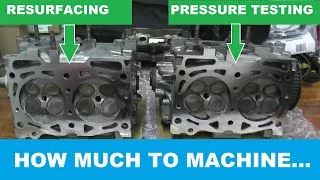

If you’re dealing with engine problems like overheating or loss of performance, one common solution is Cylinder Head Resurfacing. But the big question most car owners ask is: how much does it cost to resurface a cylinder head?
The Cylinder Head plays a critical role in sealing the combustion chamber with the Head Gasket and maintaining proper engine compression. Over time, issues like cylinder head warping, often caused by engine overheating causes, can damage this surface and lead to serious engine problems. In many cases, recognizing early head gasket failure symptoms can help prevent further damage.
Resurfacing restores the flatness of the cylinder head so it can properly seal against the Engine Block again. While this process can save you from more expensive repairs, the cost can vary depending on several factors. In this guide, we’ll break down the cylinder head resurfacing cost, what affects it, and what you can realistically expect to pay.
Average Cylinder Head Resurfacing Cost
The cylinder head resurfacing cost can vary depending on whether you’re paying for basic machining or a complete repair service. On average:
- Basic machining at an Engine Machine Shop: $50 to $150 per head
- Full service (including inspection, Pressure Testing, and additional work): $200 to $500 per head
- Total cost including labor: $800 to $2,500+
If you’re wondering how much does it cost to resurface heads, the answer depends heavily on whether the Cylinder Head needs additional work beyond simple resurfacing.
Basic resurfacing involves machining the surface of the head to restore flatness. However, in many cases, mechanics also recommend cylinder head pressure testing to check for cracks and a Valve Job to ensure proper valve sealing. These additional services increase the overall resurface cylinder head cost but are often necessary for long-term reliability.
Use our Free Auto Repair Cost Estimator to calculate the expected repair cost based on your vehicle issue.
Use the Repair Cost Estimator
Related Article: How to clean cylinder head without removing?
Credit: www.enginebuildermag.com
What Affects Cylinder Head Resurfacing Cost?
Several factors influence the final cylinder head resurfacing cost, and understanding them helps explain why prices vary so much.
Engine Type
Engines with a single head (inline engines) are cheaper to repair than V-type engines, which have two heads. More components mean more labor and higher costs.
Material Type
The material of the head also matters. An Aluminum Cylinder Head is more common in modern vehicles and requires precise machining, while cast iron heads are more durable but harder to machine.
Severity of Damage
Minor surface imperfections are easy to fix, but severe cylinder head warping or cracks may require extensive repairs or even replacement. In some cases, a Compression Test is performed to confirm internal damage.
Labor Costs
Labor is often the biggest expense. Removing and reinstalling the Cylinder Head, along with components like the Camshaft, adds significant time and cost.
Machine Shop Services
Additional services from an Engine Machine Shop can increase the total price, including:
- Pressure Testing to detect cracks
- A Valve Job, which adds to the overall valve job cost
- Cleaning and inspection before machining
These steps ensure that the Cylinder Head Resurfacing process is done correctly and that the engine runs smoothly after reassembly.
Related Article: How to fix one cylinder not firing?
Cylinder Head Resurfacing vs Replacement Cost
When comparing repair options, many car owners struggle to decide between resurfacing and full replacement. The cylinder head resurfacing cost is significantly lower than replacing the entire Cylinder Head, making it the preferred option in many cases.
Resurfacing Cost vs Replacement
- Resurfacing: $50 to $150 per head (basic machining), up to $500 with full service
- Replacement: $1,000 to $3,000+ depending on the vehicle and parts
If you’re asking how much does it cost to resurface heads, resurfacing is almost always the more affordable solution, especially when the damage is limited to surface-level issues.
When Resurfacing Is Enough?
Resurfacing works well when:
- There is minor cylinder head warping
- The sealing surface is uneven but not cracked
- The Head Gasket failed due to heat or wear
In these cases, Cylinder Head Resurfacing restores the flat surface so it can properly seal with the Engine Block, avoiding the need for expensive replacement.
When Replacement Is Required?
However, resurfacing is not always enough. You may need a full replacement if:
- There are deep cracks found during Pressure Testing
- Severe overheating has damaged internal components
- The head has already been machined multiple times
In such situations, even though the resurface cylinder head cost is lower, replacing the Cylinder Head ensures long-term reliability.
Related Article: How much cylinder scoring is acceptable?
Signs Your Cylinder Head Needs Resurfacing
Recognizing early warning signs can save you from costly repairs. A damaged Cylinder Head often shows clear symptoms, especially when related to engine overheating causes.
Common Symptoms
- Engine overheating
- Noticeable head gasket failure symptoms
- Loss of engine power due to poor compression (often confirmed with a Compression Test)
- Coolant leaks or white smoke from the exhaust
These issues usually indicate problems with the seal between the Cylinder Head and the Engine Block. In many cases, cylinder head warping is the root cause, which prevents the Head Gasket from sealing properly.
Ignoring these symptoms can lead to more serious engine damage, increasing the overall cylinder head resurfacing cost or even requiring full replacement.
Related Article: How to clean cylinder head without removing valves?
How Cylinder Head Resurfacing Works?
Understanding the process helps explain why the cylinder head resurfacing cost varies and why professional service is important.
Inspection
First, the Cylinder Head is removed and carefully inspected for visible damage. Technicians check for cracks, wear, and surface irregularities.
Pressure Testing
Next, cylinder head pressure testing is performed to detect internal cracks that may not be visible. This step is crucial to ensure the head is safe to reuse.
Machining Process
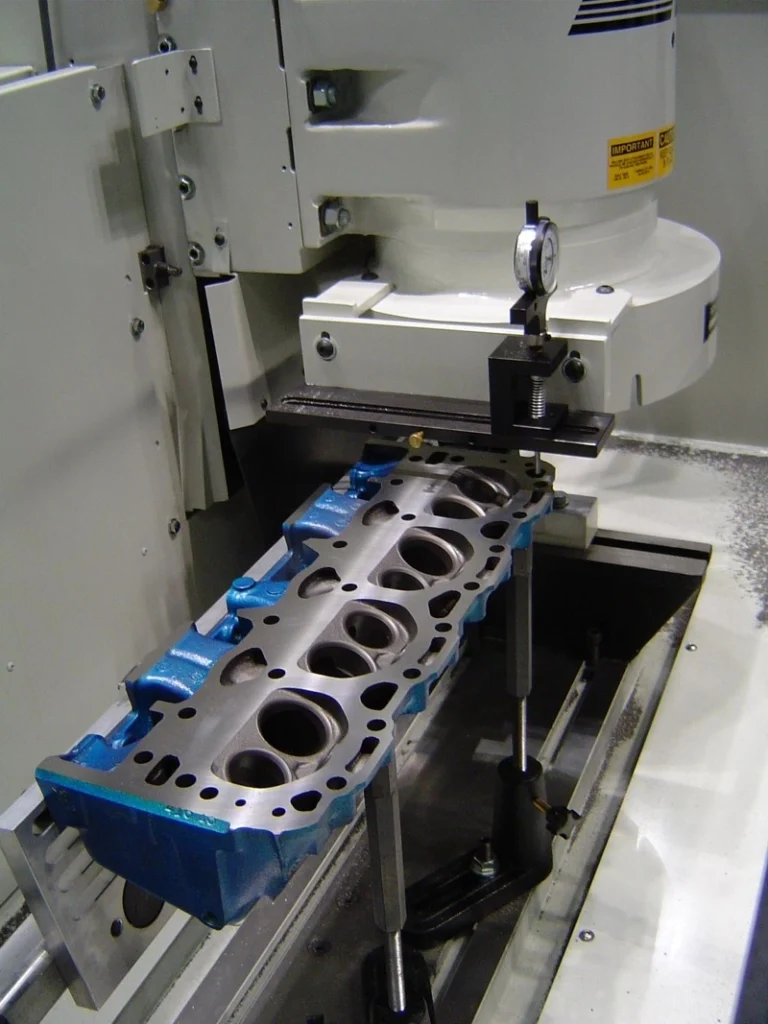
The actual Cylinder Head Resurfacing process involves placing the head on specialized equipment at an Engine Machine Shop. The surface is machined to restore perfect flatness.
Surface Leveling
Finally, the surface is smoothed to meet precise specifications so it can properly seal with the Engine Block and Head Gasket. In many cases, a Valve Job is also recommended, which adds to the overall valve job cost but improves engine performance.
This complete process ensures that the Cylinder Head functions like new and prevents future engine issues.
Related Article: Can a cylinder misfire cause overheating?
How Long Does It Take to Resurface a Cylinder Head?
The time required for Cylinder Head Resurfacing depends on the condition of the part and the workload at the Engine Machine Shop. In most cases, the actual machining process is relatively quick, but the full repair timeline is longer.
Machining Time
The actual resurfacing work usually takes:
- Around 30 minutes to 90 minutes per Cylinder Head
- Additional time may be required if cylinder head pressure testing or inspection is needed
This step ensures the surface is perfectly flat so it can properly seal against the Head Gasket and Engine Block.
Total Repair Time (Including Labor)
While machining itself is fast, the full process includes:
- Removal of the Cylinder Head
- Inspection and diagnostics
- Possible Valve Job if required
- Reinstallation and testing
Because of these steps, total repair time can range from:
- 4 hours to 1–2 days depending on complexity and shop workload
In some cases, additional checks like Compression Test are performed to confirm engine health before reassembly.
How Many Times Can a Cylinder Head Be Resurfaced?
A Cylinder Head cannot be resurfaced unlimited times. Every time machining is done during Cylinder Head Resurfacing, a small layer of material is removed from the surface.
Material Removal Limits
- Aluminum heads have strict tolerance limits
- Cast iron heads can usually handle slightly more machining
- Excessive resurfacing can affect compression ratio and sealing efficiency
If too much material is removed, the Head Gasket may not seal properly against the Engine Block, leading to future engine problems.
When Replacement Becomes Necessary?
Replacement is required when:
- The head has reached its minimum thickness limit
- Severe cylinder head warping or cracks are found
- Multiple previous resurfacing jobs have already reduced material too much
At this stage, even if the cylinder head resurfacing cost is lower, replacement becomes the only safe option for engine reliability.
Related Article: How to remove cylinder head from engine block?
Is Cylinder Head Resurfacing Worth It?
In most cases, Cylinder Head Resurfacing is a cost-effective repair compared to full replacement. However, its value depends on the condition of the engine and the severity of damage.
Cost vs Benefit
Resurfacing is usually much cheaper than replacing a Cylinder Head, especially when combined with minor repairs instead of full engine work. It restores proper sealing between the Head Gasket and Engine Block, improving performance and preventing leaks.
When It Makes Sense?
It is worth it when:
- Damage is limited to surface warping
- The engine shows early head gasket failure symptoms
- The Cylinder Head passes Pressure Testing without cracks
When It Doesn’t?
Resurfacing may not be worth it if:
- Severe internal damage is present
- The cost is close to full replacement
- Multiple components like the Camshaft or valves are also damaged
In such cases, replacing the head may be more practical than repeated machining.
Conclusion
The how much does it cost to resurface a cylinder head question depends on several factors, but in general, the cylinder head resurfacing cost is far lower than full replacement. Basic machining is affordable, but total costs increase with labor, diagnostics, and additional services like a Valve Job or Pressure Testing.
Understanding symptoms like engine overheating causes, cylinder head warping, and head gasket failure symptoms can help you decide early whether resurfacing is the right solution.
If you are unsure about your repair costs, it’s always a good idea to inspect your engine early and compare options before damage worsens.