
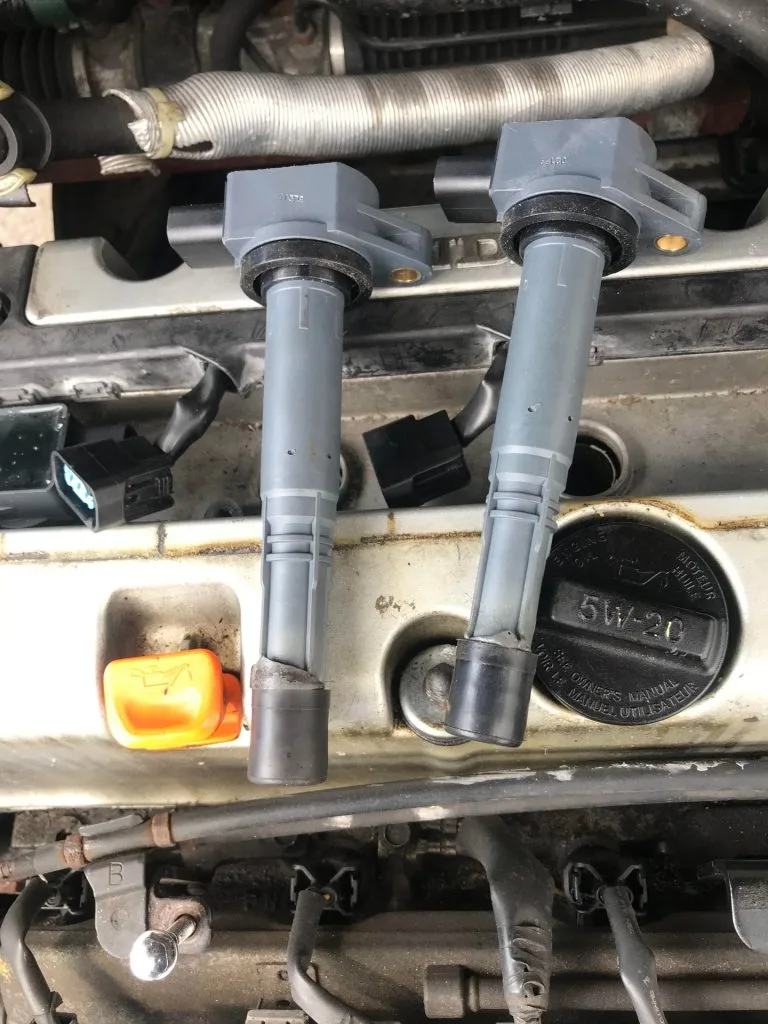

Yes, a cylinder misfire can cause overheating because engine misfires can absolutely contribute to rising engine temperatures and long-term mechanical damage. A cylinder misfire interrupts the normal combustion process inside the engine, forcing other cylinders to work harder while creating additional heat throughout the combustion chamber and exhaust system.
Many drivers ignore early misfire symptoms because the vehicle may still run and drive normally at first. However, continued driving with a misfire can place excessive strain on the cooling system, catalytic converter, ignition system, and internal engine components. If the issue is left unresolved for too long, overheating can quickly develop into severe engine damage and expensive repairs.
What Is a Cylinder Misfire?
A cylinder misfire occurs when one or more cylinders fail to properly ignite the air and fuel mixture during combustion. Modern engines rely on precise timing between fuel delivery, ignition spark, compression, and airflow. When any part of this process fails, the cylinder cannot produce power efficiently. As a result, the engine begins running unevenly, creating vibration, reduced power, rough idle, and increased engine stress.
A warning of cylinder misfire detected is commonly stored inside the engine control module when the vehicle notices irregular crankshaft speed or incomplete combustion events.
Related Article: How to Clean Cylinder Head Without Removing?
How a Misfire Can Lead to Overheating?
The reason a cylinder misfire causes overheating is such a serious concern is because incomplete combustion creates excess heat in multiple areas of the engine. When a cylinder misfires, unburned fuel may enter the exhaust system and increase catalytic converter temperatures dramatically.
At the same time, the engine works harder to compensate for lost power from the affected cylinder. This added workload creates additional thermal stress inside the engine block, cylinder head, and cooling system. Over time, excessive heat buildup can overwhelm the radiator, coolant passages, and engine oil lubrication system. If overheating continues, major engine components can warp, crack, or fail completely.
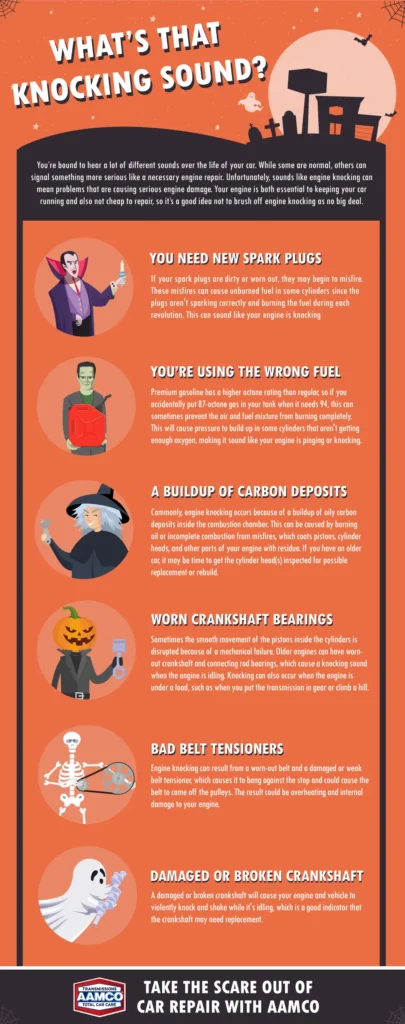
Credit: www.aamcoblog.com
What causes a cylinder to misfire?
There are many different cylinder misfire causes, ranging from simple ignition problems to serious internal engine damage. Some issues are relatively inexpensive to repair, while others require extensive engine diagnostics and mechanical work. Common Cylinder Misfire Causes include:
- Worn spark plugs
- Faulty ignition coils
- Dirty fuel injectors
- Vacuum leaks
- Low engine compression
- Timing chain issues
- Fuel delivery problems
- Bad oxygen sensors
- Head gasket failure
Understanding these causes is important because the underlying issue often determines whether overheating becomes severe or remains manageable.
Related Article: How to Remove Cylinder Head From Engine Block?
Signs Your Engine May Be Misfiring
A misfiring engine usually produces noticeable symptoms that become worse over time if ignored. In some vehicles, the check engine light may flash under acceleration, warning the driver of possible catalytic converter damage. Common symptoms include:
- Rough idling
- Engine shaking
- Reduced acceleration
- Poor fuel economy
- Engine hesitation
- Strong fuel smell
- Increased exhaust emissions
- Loss of engine power
Some drivers also notice jerking during acceleration or difficulty starting the engine when the misfire becomes more serious.
Related Article: How to Fix One Cylinder Not Firing?
Why Overheating Becomes Dangerous?
Engine overheating can quickly damage critical components inside the combustion chamber. Excessive heat weakens metal surfaces, damages seals, and reduces lubrication performance throughout the engine. When overheating continues for too long, it can cause:
- Warped cylinder heads
- Blown head gaskets
- Cracked engine blocks
- Damaged pistons
- Catalytic converter failure
- Oil breakdown
This is why addressing a misfire early is extremely important before small ignition or fuel issues turn into major engine repairs.
Related Article: How Much Cylinder Scoring Is Acceptable?
Can You Drive With a Cylinder Misfire?
Many drivers wonder if you can drive with a cylinder misfire, especially if the vehicle still appears drivable. While some vehicles can continue operating temporarily with a mild misfire, driving for long periods is risky and not recommended.
A persistent misfire increases fuel consumption, reduces engine performance, and places additional strain on the cooling system. Continued driving can also damage the catalytic converter because unburned fuel enters the exhaust system and overheats emissions components. If the check engine light is flashing, the vehicle should be inspected immediately to avoid serious engine damage.
Cylinder Misfire and the Cooling System
The cooling system is designed to regulate engine temperature under normal operating conditions. However, misfires create irregular combustion temperatures that increase overall thermal load inside the engine. When the cooling system becomes overwhelmed, symptoms may include:
- Rising temperature gauge
- Coolant boiling
- Steam from engine bay
- Coolant leaks
- Heater performance issues
In severe situations, engine overheating may happen rapidly during acceleration, towing, or stop-and-go traffic conditions.
Related Article: How to Clean Cylinder Head Without Removing Valves?
Cylinder Misfire Code Explained
Modern vehicles store a cylinder misfire code whenever the engine control module detects abnormal combustion activity. These codes usually begin with:
- P0300 for random misfires
- P0301 to P0308 for specific cylinder misfires
For example:
- P0301 = Cylinder 1 misfire
- P0304 = Cylinder 4 misfire
These diagnostic trouble codes help technicians identify which cylinder is causing the issue and begin targeted repairs more efficiently.
Related Article: What Cylinder Is Ignition Coil G?
How Mechanics Diagnose Misfires?
Professional diagnosis is important because multiple systems can contribute to a misfire and overheating problem at the same time. Mechanics usually inspect ignition, fuel delivery, compression, and cooling system performance together. Common diagnostic procedures include:
- OBD2 scanner testing
- Compression tests
- Ignition system inspection
- Fuel injector testing
- Vacuum leak checks
- Cooling system pressure tests
Accurate diagnosis is essential because replacing random parts without identifying the root cause can become expensive very quickly.
How to Fix a Cylinder Misfire?
The proper cylinder misfire fix depends entirely on what caused the problem initially. Some repairs are relatively simple, while others involve major engine disassembly. It starts with identifying whether the problem involves ignition, fuel delivery, airflow, compression, or mechanical failure. Minor cylinder misfire fix options may include:
- Spark plug replacement
- Ignition coil replacement
- Fuel injector cleaning
- Sensor replacement
More serious repairs can involve:
- Timing component repairs
- Head gasket replacement
- Valve repairs
- Internal engine rebuilding
Related Article: How Much Cylinder Pitting Is Too Much?
How Much Does It Cost To Fix a Cylinder Misfire?
The total cylinder misfire repair cost varies greatly depending on the source of the problem and the vehicle itself. Simple ignition-related repairs are usually affordable, while internal engine repairs can become very expensive. There is no single answer because repair costs can range from under $200 for minor repairs to several thousand dollars for severe engine damage. Diagnosing the issue early usually helps reduce repair expenses significantly.
Use our Free Auto Repair Cost Estimator to calculate the expected repair cost based on your vehicle issue.
Use the Repair Cost Estimator
Factors affecting cylinder misfire repair cost include:
- Vehicle make and model
- Number of cylinders affected
- Engine design
- Labor rates
- OEM versus aftermarket parts
- Extent of overheating damage
Preventing Future Misfires and Overheating
Routine maintenance is one of the best ways to prevent misfires and overheating problems from developing. Engines rely on properly functioning ignition, fuel, and cooling systems to maintain stable combustion temperatures. Helpful preventive maintenance includes:
- Replacing spark plugs on schedule
- Checking coolant levels regularly
- Inspecting ignition coils
- Cleaning fuel injectors
- Monitoring engine temperature
- Addressing warning lights immediately
Preventive maintenance not only improves engine reliability but also helps extend catalytic converter and cooling system lifespan.
Maintenance Best Practices
Regular check-ups are very important. They help to avoid misfires and overheating. Engine parts need to be in good shape. A mechanic can spot problems early. This stops bigger issues from happening. Oil levels, coolant levels, and spark plugs should be checked often. These checks keep the engine running well. Clean filters help too. They stop dirt from causing problems. Scheduled maintenance keeps your car healthy.
Engine tuning plays a big role in preventing problems. It helps the engine run smoothly. A well-tuned engine uses fuel better. It reduces misfires. This also helps with overheating. Tuning makes sure all parts work well together. It keeps the engine in top condition. Good tuning means fewer surprises on the road. It saves money on repairs too. Regular tuning is like a health check for your car.
Related Article: What Is the Purpose of Cross Hatch in a Cylinder?
Advanced Cooling Systems And Misfire Prevention
New cooling systems help engines stay cool. Smart sensors detect heat early. Electric water pumps are faster. They control engine temperature better. Improved radiators cool engines quickly. Fans with more blades move air faster. This keeps the engine cool. Coolant fluids are better now. They work in extreme temperatures. These innovations prevent overheating. They make cars run smoother and safer.
Modern systems monitor engines closely. They prevent misfires. Fuel injectors work precisely. They give the right amount of fuel. Spark plugs fire at the right time. This keeps the engine running smoothly. Engine control units (ECUs) adjust settings. They do it in real-time. This makes engines more efficient. Reduced misfires mean less overheating. Engines last longer and perform better.
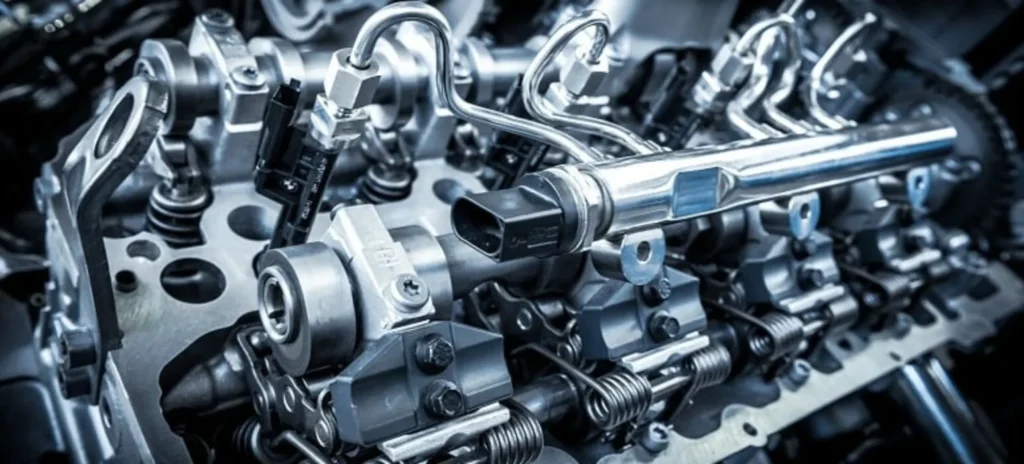
Credit: club.autodoc.co.uk
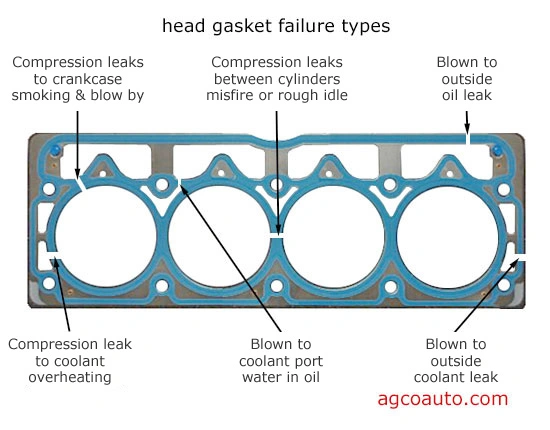
Credit: www.agcoauto.com
Final Thoughts
If you have been wondering, can a cylinder misfire cause overheating, the answer is definitely yes. Misfires disrupt normal combustion, increase engine workload, and generate excess heat that can overwhelm the cooling system over time.
Ignoring a misfire may initially seem harmless, but continued driving can lead to overheating, catalytic converter damage, poor fuel economy, and severe internal engine problems. Diagnosing and repairing the issue early is the best way to protect engine performance, reduce repair costs, and maintain long-term vehicle reliability.