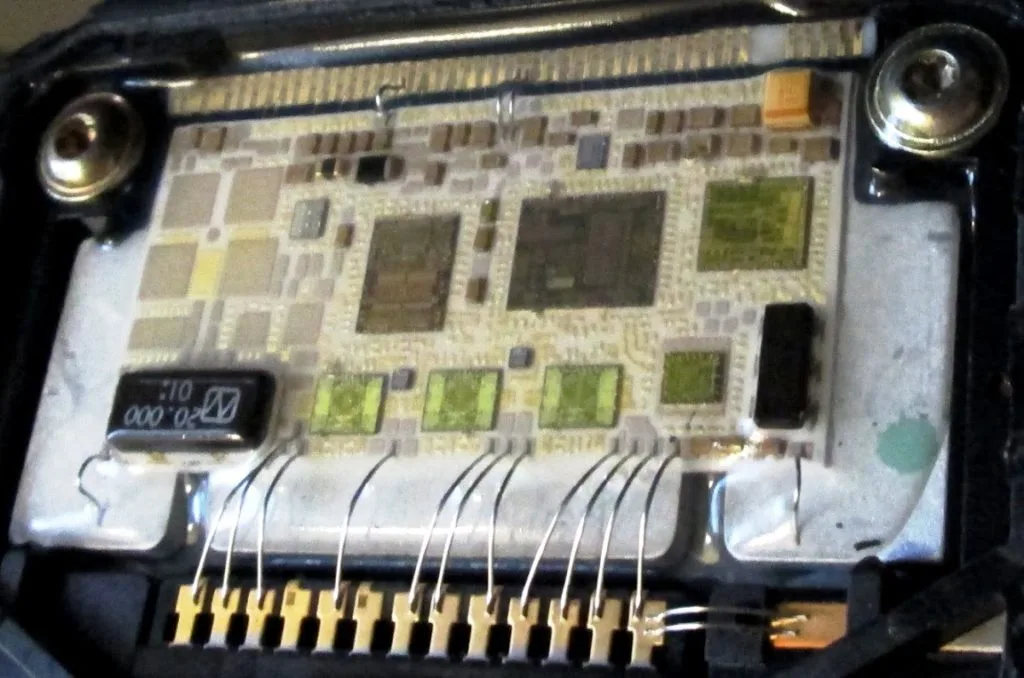

If you are searching for how to fix C0550 ECU malfunction, your vehicle is likely experiencing a problem with the Electronic Brake Control Module (EBCM), ABS system, or ECU communication network. This diagnostic trouble code is commonly found in General Motors vehicles such as Chevrolet, GMC, Cadillac, Buick, Saturn, and Chevrolet Captiva models.
The C0550 trouble code usually appears when the Anti-Lock Braking System (ABS) detects an internal malfunction within the brake control module or notices communication failures between important vehicle control systems. In many cases, drivers may experience ABS warning lights, traction control issues, or reduced braking performance.
While the issue can sometimes be caused by a failing ABS module, it may also result from damaged wiring, low system voltage, faulty wheel speed sensors, poor electrical grounds, or CAN bus communication problems. Proper diagnosis is important because replacing the wrong component can become expensive very quickly.
This guide explains the symptoms, causes, diagnosis process, repair methods, and estimated repair costs for fixing the C0550 ECU malfunction code correctly.
What Does the C0550 Code Mean?
The C0550 diagnostic trouble code generally indicates an internal malfunction within the:
- Electronic Brake Control Module (EBCM)
- Anti-Lock Braking System (ABS)
- Electronic Control Unit (ECU)
- Brake system communication network
In most GM vehicles, the ABS module constantly communicates with:
- Wheel speed sensors
- Traction control system
- Stability control system
- Powertrain Control Module (PCM)
- Engine Control Module (ECM)
When communication becomes unstable or the EBCM detects corrupted internal data, the system stores the C0550 code and activates warning lights on the dashboard. Unlike simple sensor-related codes, C0550 often points toward a deeper electrical or module-related problem that requires proper testing before replacing parts.
Related Article: How to fix code C1241?
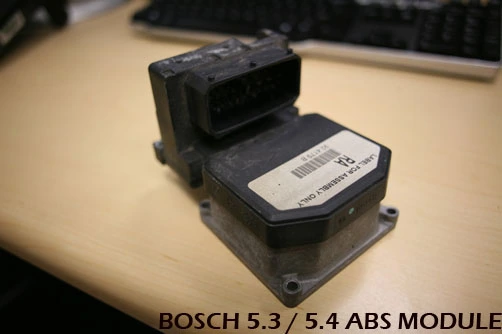
Credit: www.cheapabs.com
Estimated Repair Costs for C0550 ECU Malfunction
The repair cost for a C0550 trouble code depends entirely on the root cause of the failure. Some vehicles only require simple wiring repairs, while others may need complete ABS module replacement and reprogramming. Proper diagnosis is extremely important because replacing major control modules unnecessarily can become very expensive.
Minor electrical repairs such as fixing corroded connectors or damaged wiring harnesses are usually the least expensive solutions. These repairs typically involve restoring communication between the ABS module, ECU, and wheel speed sensors without replacing major components.
More serious repairs involving the Electronic Brake Control Module (EBCM), ECU programming, or ABS hydraulic unit replacement can significantly increase costs. Labor charges may also vary depending on vehicle accessibility, dealership programming requirements, and whether factory-level diagnostic equipment is needed.
| Repair Type | Estimated Cost |
| Wiring Harness Repair | $100 – $350 |
| Wheel Speed Sensor Replacement | $150 – $400 |
| Battery or Charging System Repair | $120 – $450 |
| ABS Module Replacement | $500 – $1,500 |
| ECU or ABS Reprogramming | $100 – $300 |
| CAN Bus Electrical Diagnosis | $150 – $500 |
Use our Free Auto Repair Cost Estimator to calculate the expected repair cost based on your vehicle issue.
Use the Repair Cost Estimator
Luxury vehicles, heavy-duty trucks, and advanced GM platforms may cost more due to complex braking and communication systems.
Related Article: What Is a 7E8 Engine Code?
Common Symptoms of C0550 ECU Malfunction
A vehicle experiencing a C0550 ECU malfunction may show several warning signs depending on the severity of the issue.
ABS Warning Light
The most common symptom is an illuminated ABS warning light. In some vehicles, the traction control light or stability control warning may also appear at the same time.
Traction Control Stops Working
Since the ABS and traction control systems share wheel speed and brake data, traction control may become disabled automatically after the code appears.
Brake Performance Problems
Drivers may notice:
- Hard brake pedal feel
- Delayed ABS engagement
- Reduced braking stability
- Inconsistent brake response during slippery conditions
Stability Control Malfunction
Electronic Stability Control (ESC) systems rely heavily on ABS communication. A faulty ABS module can disable the entire stability system.
Multiple Dashboard Warning Lights
Some GM vehicles display several warnings together, including:
- ABS light
- Service traction control
- Service stability system
- Brake system warning
Communication or Electrical Issues
Because the issue is often electrical, intermittent symptoms may occur, including:
- Random warning lights
- Temporary loss of ABS function
- Communication errors during scanning
- Battery drain problems
Related Article: Can I drive with a P1004 code?
Common Causes of the C0550 Trouble Code
Several different issues can trigger the C0550 fault code. Proper diagnosis is necessary because many symptoms overlap with other ABS or ECU problems.
Faulty Electronic Brake Control Module (EBCM)
The most common cause is a failing ABS control module. Internal circuit failures can interrupt communication with other vehicle systems. Heat, vibration, and moisture can damage the internal electronics over time.
Damaged Wiring or Connectors
Broken or corroded wiring near the ABS module can create unstable electrical connections. Common issues include:
- Frayed wiring harnesses
- Water-damaged connectors
- Loose module plugs
- Corroded terminals
Low Battery Voltage
Modern ABS systems are extremely sensitive to voltage fluctuations. A weak battery or failing alternator may trigger communication-related trouble codes. Low voltage can confuse multiple control modules simultaneously.
Related Article: Can E85 Cause Lean Codes?
Faulty Wheel Speed Sensors
Wheel speed sensors send important rotational data to the ABS module. If a sensor fails or sends inconsistent readings, communication errors may occur.
Poor Ground Connections
Loose or corroded chassis grounds are a common hidden cause of electronic module failures. Improper grounding can create intermittent:
- voltage drops
- module resets
- communication interruptions
CAN Bus Communication Problems
Most modern vehicles use a Controller Area Network (CAN bus) system to allow modules to communicate with each other. A damaged CAN bus circuit can trigger:
- ECU communication faults
- ABS failures
- module synchronization problems
Related Article: How do you fix code P0087?
How to Diagnose C0550 ECU Malfunction Properly?
Diagnosing the C0550 code correctly is extremely important before replacing expensive components like the ABS module or ECU. Many vehicle owners replace parts unnecessarily because they skip basic electrical testing.
Step 1: Scan the Vehicle With an Advanced OBD-II Scanner
Basic code readers may not provide enough information. Start by using a professional scan tool capable of reading:
- ABS codes
- EBCM data
- live wheel speed sensor data
- manufacturer-specific GM trouble codes
Look for additional trouble codes related to:
- wheel speed sensors
- communication networks
- voltage supply
- brake pressure sensors
These additional codes often help pinpoint the actual source of the problem.
Step 2: Inspect Battery and Charging System Voltage
Low voltage is one of the most overlooked causes of ABS communication issues. Check:
- Battery condition
- Alternator output
- Charging voltage
- Battery terminals
- Ground straps
Most vehicles require stable voltage above 12.4V while off and approximately 13.5–14.7V while running. Weak voltage can cause:
- false ABS codes
- module resets
- intermittent communication loss
Step 3: Inspect the ABS Wiring Harness
Carefully inspect all wiring around the ABS control module. Look for:
- exposed wires
- melted insulation
- loose connectors
- corrosion
- moisture intrusion
Pay special attention to areas near:
- wheel wells
- frame rails
- battery tray
- underbody wiring routes
These areas are commonly exposed to water, salt, and debris.
Related Article: Can a Bad Battery Throw Codes?
Step 4: Check Wheel Speed Sensors
Faulty wheel speed sensors can confuse the ABS module and trigger communication-related codes. Using live data on a scan tool:
- compare wheel speed readings
- look for irregular signals
- identify sensors dropping out intermittently
Damaged tone rings or excessive wheel bearing play may also affect sensor readings.
Step 5: Test Ground Connections
Poor grounding creates unstable module communication. Inspect and clean:
- chassis grounds
- engine grounds
- ABS module grounds
- battery ground cables
Voltage drop testing may be necessary for accurate diagnosis.
Step 6: Test or Replace the ABS Control Module
If all wiring, voltage, and sensor tests pass, the Electronic Brake Control Module itself may have failed internally. Some common EBCM failure symptoms include:
- inability to communicate with scan tools
- recurring C0550 code after clearing
- intermittent ABS operation
- internal module errors
In many GM vehicles, replacement modules require:
- programming
- calibration
- VIN synchronization
Related Article: Can an Exhaust Leak Cause a P0420 Code?
Captiva #C0550 Brake ECU Fail (ABS Module Repair) แก้โรคประจำตัว ไฟ ABS, TCS, HDC 081-654-9695
How to Fix C0550 ECU Malfunction?
The correct repair depends entirely on what caused the fault code. Replacing the ABS module without testing other components first can lead to unnecessary expenses.
Repair Damaged Wiring
If damaged wiring or loose connectors are found:
- repair broken circuits
- clean corrosion
- secure loose connections
- replace damaged harness sections
Electrical repairs often solve intermittent ABS communication failures.
Replace Faulty Wheel Speed Sensors
If a wheel speed sensor is malfunctioning:
- replace the sensor
- inspect tone rings
- check wheel bearings
- verify signal consistency afterward
OEM-quality sensors are highly recommended because cheap aftermarket sensors may create inaccurate readings.
Repair Battery or Charging Issues
If voltage problems are present:
- replace weak batteries
- repair alternators
- clean battery terminals
- repair grounding points
Stable voltage is critical for proper ECU and ABS communication.
Reprogram the ECU or ABS Module
Some vehicles may require:
- software updates
- module reflashing
- calibration resets
after electrical repairs or module replacement. Improper programming can cause recurring communication problems.
Related Article: Will Cataclean clear a P0420 code?
Can You Drive With a C0550 Code?
Driving with a C0550 ECU malfunction is possible in some situations, but it is not recommended for extended periods. Even if the vehicle feels normal during regular driving, important safety systems such as ABS, traction control, and electronic stability control may no longer function properly during emergency situations.
The biggest concern is reduced braking safety on wet, icy, or uneven roads. Without a properly functioning ABS module, the wheels may lock during hard braking, increasing stopping distance and reducing steering control. This can become dangerous during sudden stops or poor weather conditions.
In some vehicles, the issue may also cause intermittent communication failures between control modules, leading to random warning lights, unstable brake behavior, or limp mode activation. If multiple warning lights appear together or braking performance changes noticeably, the vehicle should be inspected immediately to avoid further damage and safety risks.
Vehicles Commonly Affected by the C0550 Trouble Code
The C0550 diagnostic trouble code is most commonly associated with General Motors vehicles because many GM ABS systems use similar Electronic Brake Control Module designs. However, the exact diagnostic process and repair procedure can vary depending on the platform, braking system configuration, and model year.
Several Chevrolet and GMC models are known for experiencing ABS communication issues, especially when exposed to moisture, road salt, vibration, or aging electrical components. Older vehicles with high mileage are particularly vulnerable to wiring corrosion and ground connection failures.
Commonly affected vehicles include:
- Chevrolet HHR
- Chevrolet Captiva
- Chevy Silverado 2500HD
- GMC Sierra
- Chevrolet Malibu
- GMC Yukon
- Saturn Vue
- Cadillac Escalade
- Buick Enclave
Even though the symptoms may appear similar across these vehicles, proper diagnosis is still necessary because the exact cause may range from a simple wheel speed sensor failure to a complete ABS control module malfunction.
Related Article: How to Fix Code P000A?
How to Prevent Future ECU and ABS Module Problems?
Preventive maintenance plays a major role in reducing the risk of future ABS and ECU communication failures. Many C0550-related problems develop gradually due to poor electrical connections, low voltage conditions, moisture intrusion, or neglected brake system maintenance.
Keeping the battery and charging system in good condition is one of the most important preventive steps. Modern ABS and ECU systems rely heavily on stable voltage, and weak batteries often trigger false communication codes and intermittent module failures.
Regularly inspecting wiring harnesses, wheel speed sensors, and ground connections can also help prevent expensive repairs. Moisture, road debris, and corrosion can slowly damage connectors and electrical circuits over time, especially in vehicles frequently exposed to harsh weather conditions.
Using OEM-quality replacement parts is strongly recommended whenever repairs are needed. Low-quality aftermarket sensors or modules may create inaccurate readings, unstable communication signals, or recurring ABS faults that become difficult to diagnose later.
Why Proper Diagnosis Matters Before Replacing Parts?
One of the biggest mistakes vehicle owners make when dealing with a C0550 ECU malfunction is replacing major components too early without performing complete electrical testing. Because the code often points toward communication problems, many smaller issues can imitate a failed ABS module or ECU.
For example, weak battery voltage, poor ground connections, damaged wheel speed sensor wiring, or CAN bus communication interruptions can all produce symptoms nearly identical to a defective EBCM. Replacing expensive control modules without checking these basic systems can lead to unnecessary repair bills while the original problem remains unresolved.
Professional diagnostic testing using advanced scan tools, live data monitoring, and voltage drop testing is usually the fastest and most cost-effective approach. A proper diagnosis not only prevents wasted money but also ensures the braking system operates safely and reliably after repairs are completed.
Final Thoughts
Understanding how to fix C0550 ECU malfunction starts with identifying the exact source of the communication or ABS system failure. While many drivers assume the issue automatically means a failed ECU or ABS control module, the problem is often related to damaged wiring, low voltage conditions, poor ground connections, or faulty wheel speed sensors.
Because the C0550 trouble code directly affects important safety systems such as ABS, traction control, and electronic stability control, the issue should never be ignored for long periods. Proper diagnosis using professional scan tools and electrical testing procedures is essential for avoiding unnecessary repairs and restoring safe vehicle operation.
Whether the repair involves replacing a wheel speed sensor, repairing electrical wiring, reprogramming the ECU, or installing a new ABS module, addressing the problem early can help prevent larger and more expensive failures later. Following regular maintenance practices and using high-quality replacement components can also reduce the chances of future ECU and ABS communication problems.