

If you are trying to understand how much does a multi point inspection cost, the typical price usually ranges from $50–$100 for a basic inspection, while dealership services can cost more depending on the vehicle type and inspection depth. A multi point inspection is a structured vehicle evaluation that checks key systems such as engine health, brakes, tires, and fluids to ensure safe and efficient performance.
In simple terms, what is a multi point vehicle inspection refers to a standardized Multi-Point Inspection process based on a detailed Vehicle Inspection Checklist, designed to assess overall vehicle condition, safety, and maintenance needs. The main purpose is to support vehicle health, improve safety, and ensure proper preventive maintenance over time.
What is a Multi Point Inspection?
A multi point inspection is a structured evaluation process where multiple vehicle systems are checked in a single service session. It is designed to provide a complete overview of the vehicle’s condition instead of focusing on just one repair area.
Purpose in Routine Vehicle Care
The main purpose of this inspection is to support Preventive Maintenance, helping vehicle owners detect early issues before they become expensive repairs. It plays a key role in maintaining long-term vehicle reliability and safety.
Role in Car Diagnostic Inspection
A car diagnostic inspection may be included or combined with a multi point inspection in modern workshops. This helps identify hidden electronic or mechanical faults using basic diagnostic tools, improving accuracy in vehicle evaluation.
How It Differs from Basic Service Checks?
Unlike basic service checks that only focus on single components like oil or brakes, a multi point inspection evaluates multiple systems at once. This makes it more comprehensive and results in a detailed Inspection Report, which summarizes vehicle condition and recommended actions.
Related Article: Can a car pass inspection with a broken window?

Credit: www.cars.com
How much is a Multi Point Inspection?
The cost of a multi point inspection depends on the service provider, vehicle type, and inspection depth. On average, the multi point inspection cost ranges from $50 to $100 for a basic inspection, making it an affordable preventive maintenance service for most vehicle owners.
Pricing Overview
The standard pricing range is usually:
- Basic inspection: $50–$100
- Dealership inspection: higher depending on vehicle and services included
This variation is why the answer to how much does a multi point inspection cost can differ based on where and how the inspection is performed.
Factors That Influence Price
Several factors affect the final cost of the inspection:
- Location of the service center
- Type of shop (dealership vs independent workshop)
- Depth of inspection and diagnostic tools used
Dealerships often charge more due to advanced equipment and detailed reporting systems, while independent shops may offer more affordable options.
Use our Free Auto Repair Cost Estimator to calculate the expected repair cost based on your vehicle issue.
Use the Repair Cost Estimator
What is a Multi Point Vehicle Inspection?
A multi point vehicle inspection is a more advanced and standardized version of the basic inspection, commonly performed at dealerships. It follows strict guidelines to ensure consistency and accuracy in evaluation.
Digital vs Manual Inspection Process
This type of inspection can be performed using both manual checks and digital systems. Manual inspection involves visual and physical checks, while digital systems provide more precise data tracking for vehicle performance and condition.
Role of Technician in Evaluation
A trained technician performs the inspection by examining all major systems of the vehicle. This includes evaluating engine performance, braking efficiency, tire condition, and fluid levels as part of a complete safety inspection procedure and broader automotive service inspection.
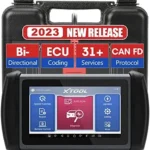
A key tool used during this process is a Diagnostic Scanner, which helps detect electronic faults and ensures accurate system analysis, especially in modern vehicles with complex onboard computer systems.
Related Article: Will an exhaust leak fail inspection?
What Does a Multi Point Inspection Include?
A multi point inspection includes a complete evaluation of the vehicle’s major systems to ensure safety, performance, and long-term reliability. It is often considered a full vehicle health check, because it reviews multiple mechanical and safety areas in a single inspection process.
Engine System Check
The engine is inspected for performance issues, leaks, unusual noise, and general operating condition. Proper engine evaluation ensures smooth performance and early detection of potential failures.
Brake System Inspection
The Brake System Inspection focuses on brake pads, rotors, and overall braking efficiency. This is one of the most critical safety checks because it directly affects stopping performance and road safety.
Tire Condition Assessment
The Tire Condition check includes tread depth, air pressure, and uneven wear patterns. This helps ensure proper traction, stability, and safe driving performance.
Fluid Level Inspection
The Engine Fluids are checked to ensure proper levels and quality, including oil, coolant, brake fluid, and transmission fluid. Clean and sufficient fluids are essential for engine protection and smooth operation.
Suspension System Check
The Suspension System is also evaluated to ensure ride comfort, stability, and proper handling, especially over uneven road conditions.
Audi Multi-Point Inspection
What Does a Multi Point Inspection Include?
A multi point inspection checklist is a structured system used by technicians to ensure every critical part of the vehicle is properly evaluated. The Vehicle Inspection Checklist acts as a standardized guide that ensures consistency across all inspections.
Role of Vehicle Inspection Checklist
The vehicle inspection checklist ensures that no major system is missed during the inspection process. It organizes the evaluation into clear sections such as engine, brakes, tires, and fluids.
Step-by-Step Evaluation Process
Technicians follow a structured step-by-step method to inspect the vehicle:
- Initial vehicle walk-around inspection
- Mechanical system evaluation
- Brake and tire safety checks
- Fluid level and condition review
- Final system verification
This structured process improves accuracy and ensures a complete vehicle assessment.
Related Article: Can you pass inspection with check engine light on PA?
How Long Does a Multi Point Inspection Take?
A multi point inspection typically takes around 30–60 minutes on average, depending on the vehicle condition and the level of detail included in the inspection. This timeframe makes it one of the faster forms of automotive service inspection, while still providing a broad overview of vehicle health.
Dealership vs Independent Shop Timing
Dealerships may take slightly longer because they follow a more structured and standardized inspection process, often including digital documentation and system verification. Independent shops may complete the inspection faster, especially if fewer diagnostic steps are involved.
Impact of Inspection Depth
The total time also depends on inspection depth. A basic inspection focusing on visible components like tires, fluids, and brakes is quicker, while a more detailed inspection involving electrical systems, suspension, and engine diagnostics takes longer to complete.
Car Multi Point Inspection Process
The car multi point inspection process follows a structured workflow designed to ensure every major system of the vehicle is properly evaluated.
Vehicle Intake Stage
The process begins with vehicle intake, where the technician records vehicle details, mileage, and any issues reported by the owner before starting the inspection.
Inspection Execution Stage
Next is the inspection execution phase, where the technician performs a full system check, including engine performance, braking system, tires, fluids, and suspension components. This step ensures a complete evaluation of vehicle condition.
Report Generation Stage
After the inspection is completed, findings are compiled into an Inspection Report, which provides a detailed breakdown of the vehicle’s condition. In dealership settings, this is often presented as a structured dealership inspection report, outlining recommended repairs or maintenance actions.
Is Multi Point Inspection Worth It?
A multi point inspection is generally worth it for most vehicle owners because it plays a key role in maintaining vehicle safety, reliability, and long-term performance. It helps identify small issues early, preventing them from turning into expensive repairs.
One of the biggest advantages is cost prevention. By detecting issues early, it reduces the risk of major mechanical failures and unexpected breakdowns.
It also improves overall driving safety and performance by ensuring that critical systems such as brakes, tires, and engine components are functioning properly.
This process is closely connected to preventive maintenance inspection, which focuses on maintaining vehicle health over time through regular checks and servicing. It is a core part of Preventive Maintenance, helping extend vehicle lifespan and improve reliability.
From a decision-making perspective, the value becomes clear when comparing inspection cost to potential repair expenses. A small investment in inspection can help avoid significantly higher repair costs later, making it a practical and preventive choice for most drivers.
Multi Point Inspection Checklist Breakdown
A multi point inspection checklist breakdown provides a structured view of how technicians evaluate each major vehicle system during the inspection process. It ensures that every critical area is reviewed systematically to maintain safety, performance, and reliability.
Engine System Inspection
Engine systems are checked for performance issues, leaks, unusual noise, and overall operating condition. This helps identify early mechanical problems before they develop into major failures.
Brake System Inspection
The Brake System Inspection focuses on brake pads, rotors, and braking efficiency. It is one of the most important safety checks because it directly affects stopping distance and driver safety.
Tire Inspection
The Tire Condition is evaluated by checking tread depth, air pressure, and uneven wear patterns. This ensures proper grip, stability, and safe handling on different road surfaces.
Fluid Checks
The Engine Fluids inspection includes oil, coolant, brake fluid, and transmission fluid. Proper fluid levels and quality are essential for engine protection and smooth vehicle operation.
Multi Point Inspection Cost Factors
The cost of a multi point inspection depends on several key factors that influence pricing across different service providers and vehicle types.
Service Provider Type
Dealerships usually charge higher prices due to advanced diagnostic systems and detailed reporting, while independent workshops may offer more affordable options.
Vehicle Condition
Vehicles in poor condition or with existing issues may require additional time for evaluation, increasing the overall inspection cost.
Inspection Depth
A basic inspection is cheaper, while a more detailed full vehicle health check that includes advanced system evaluation costs more due to additional labor and tools.
In many cases, a full safety inspection procedure is included when the inspection is more comprehensive, which also affects pricing.
Conclusion
Understanding how much does a multi point inspection cost helps vehicle owners make better maintenance decisions. In most cases, the cost ranges from $50–$100 for a basic inspection, while dealership-level services can be higher depending on the vehicle and inspection depth. A multi point inspection is a valuable part of routine maintenance because it helps detect early issues, improves safety, and prevents costly repairs in the long run.
Regular inspections are a smart preventive approach that supports vehicle health, reduces unexpected breakdowns, and ensures safer driving conditions over time.