
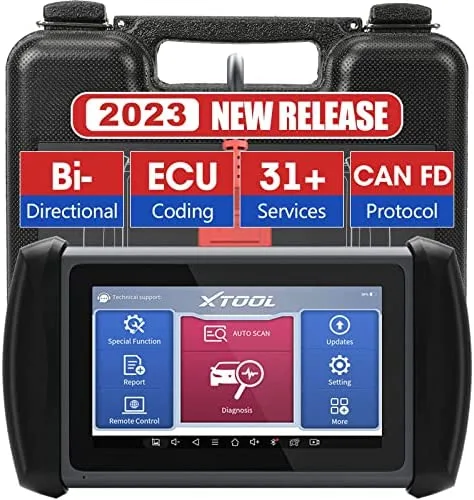

The How Much Does a Crank Relearn Cost question is common among drivers dealing with engine performance issues or a check engine light after sensor replacement or battery disconnection. On average, a crank relearn costs between $80 and $200, depending on the vehicle make, model, and the type of diagnostic tools required.
In most cases, the process involves recalibrating the Crankshaft Position Sensor so it can communicate accurately with the Engine Control Unit (ECU). This ensures proper engine timing, smooth ignition, and correct fuel delivery. Some vehicles require advanced diagnostic equipment, while others can complete the procedure quickly with a standard scan tool, which is why pricing can vary significantly.
Average Crank Relearn Cost
The crankshaft relearn cost typically falls within a moderate range because it is a software-based calibration rather than a mechanical repair.
- Typical cost range: $80–$200
- Dealer cost: $150–$300
- Independent mechanic: Usually lower than dealership pricing
- Time required: 30–60 minutes
The CKP relearn cost may increase in modern vehicles where the ECU requires manufacturer-specific tools or software access. In most standard cases, the procedure is quick and does not involve part replacement, which keeps costs relatively low compared to other engine repairs.
Use our Free Auto Repair Cost Estimator to calculate the expected repair cost based on your vehicle issue.
Use the Repair Cost Estimator
Related Article: Where are Eagle crankshafts made?
Cost Breakdown (Labor vs DIY)
Understanding the breakdown helps explain why pricing differs between workshops and DIY approaches.
Professional Mechanic Cost
When performed by a professional, the cost mainly includes labor and diagnostic tool usage. Mechanics use an OBD-II Scanner to communicate with the vehicle’s system and perform the relearn procedure through the ECU.
- Labor charges vary by shop hourly rate
- Diagnostic scan and calibration included
- Access to advanced manufacturer-level tools in some cases
Professional service ensures accuracy, especially for vehicles with sensitive ECU programming.
DIY Cost
In some cases, vehicle owners can perform a crank relearn themselves if they have the proper tools.
- If you already own a scanner → effectively free
- If you need to buy a scanner → approximately $50–$300
DIY is only possible when the scan tool supports crank relearn functions and the vehicle system allows manual calibration through the ECU.
Hidden Costs
Even though the process seems simple, there can be additional costs if issues are misdiagnosed.
- Misdiagnosis of Crankshaft Position Sensor problems
- Replacing parts unnecessarily
- Additional repairs if the issue is actually related to engine timing or ignition system faults
In some cases, what appears to be a relearn issue may actually be linked to deeper engine or sensor problems, increasing total repair expenses.
Related Article: How to test 2 wire crank sensor with multimeter?
Factors Affecting Crank Relearn Cost
Several technical and service-related factors influence the final crankshaft relearn cost, especially since the procedure depends heavily on vehicle electronics and diagnostic requirements.
One of the biggest factors is the vehicle make and model. Luxury or newer vehicles usually have more advanced ECUs, which increases the complexity of the process and raises the overall cost. In these cases, the Engine Control Unit requires manufacturer-specific programming access, making the service more expensive compared to older economy vehicles.
Another important factor is ECU complexity itself. A more advanced system may require deeper engine control module relearn procedures, which can only be performed with specialized tools or software.
Scanner compatibility also plays a key role. Not all diagnostic tools support engine timing calibration, and in some cases, only professional-grade equipment can complete the process.
Labor rates vary depending on location, with dealership pricing typically higher than independent workshops. Finally, the severity of the issue also impacts cost. Problems linked to misfires, sensor failures, or incorrect timing adjustments can increase diagnostic time and labor effort.
Related Article: What does a bad crankshaft pulley sound like?
How to do a Crank Sensor Relearn using HP Tuners?
Can You Do a Crank Relearn Yourself?
A crank relearn can sometimes be performed at home, but it depends heavily on the vehicle system and available tools.
When DIY Is Possible?
DIY crank relearn is possible in basic vehicles that support manual or semi-automatic calibration. If you have a compatible scanner, the process can be completed without visiting a workshop. In these cases, a scanner-supported relearn is enough to recalibrate the system.
When You Should Avoid DIY?
DIY should be avoided in vehicles with advanced ECU programming or when the system requires manufacturer-level access. Incorrect handling can lead to engine performance issues or incomplete calibration, especially when dealing with sensitive ignition and fuel systems.
Basic Steps Overview
The general process begins by connecting an OBD2 scanner to the vehicle. From there, the system guides you through the OBD2 scanner relearn process, which typically involves initiating the reset and calibration sequence.
This procedure is part of the Crankshaft Relearn Procedure, which ensures the ECU correctly learns crankshaft position data.
In some vehicles, an ECU reset procedure may also be required before or after the relearn to clear old adaptive data and ensure accurate recalibration.
Related Article: How to clean crankcase breather?
When Is a Crank Relearn Needed?
A crank relearn is typically required after specific repairs or system resets where the engine control system loses accurate position data.
It is commonly needed after replacing the Crankshaft Position Sensor, as the ECU must relearn the new sensor’s signal pattern. It may also be necessary after certain engine repairs that affect timing or internal engine configuration.
In some vehicles, a battery disconnection can also trigger the need for a relearn because the ECU loses stored adaptive memory.
Common Symptoms:
When a relearn is needed, the vehicle may show several performance issues. These include Engine Misfire, where combustion timing becomes inconsistent, and the Check Engine Light, which indicates ECU-detected faults.
Other symptoms include poor engine performance and stalling during idle or acceleration. In some cases, the misfire detection system triggers false or intermittent warnings due to incorrect crankshaft position data.
Issues with ignition timing issues can also occur, leading to rough engine operation, reduced fuel efficiency, and unstable power delivery.
Related Article: How much torque to remove crankshaft bolt?
Crank Relearn vs Sensor Replacement (Very Important Section)
Understanding the difference between a crank relearn and a sensor replacement is essential because many vehicle owners confuse the two, even though they solve completely different problems.
Crank Relearn
A crank relearn is a software-based calibration process performed through the vehicle’s ECU. It does not involve replacing any physical parts. Instead, it resets and recalibrates the learned values so the system can correctly interpret signals from the Crankshaft Position Sensor.
- Software calibration inside the ECU
- Low cost: $80–$200
- No parts replaced
- Required after sensor changes or ECU resets
This process ensures proper coordination between Ignition Timing and engine operation, helping the ECU maintain accurate combustion timing.
Sensor Replacement
Sensor replacement is a physical repair where the faulty component is removed and replaced with a new one. The Crankshaft Position Sensor is responsible for sending real-time engine position data to the ECU, which is critical for fuel delivery and ignition control.
- Hardware replacement
- Cost: $100–$300+
- Includes part + labor
- Required when sensor is damaged or failing
A faulty sensor can directly impact the Fuel Injection System, leading to incorrect fuel delivery and poor engine performance.
Key Differences Table
| Factor | Crank Relearn | Sensor Replacement |
| Cost | $80–$200 | $100–$300+ |
| Time | 30–60 minutes | 1–2 hours (varies) |
| Complexity | Software-based ECU procedure | Physical mechanical repair |
Related Article: Do you have to relearn a crankshaft position sensor?
Is a Crank Relearn Worth It?
A crank relearn is absolutely worth it in most cases because it directly improves engine stability and prevents long-term performance issues.
It helps prevent engine damage by ensuring the ECU correctly interprets crankshaft position data, which is critical for safe operation. It also improves overall engine performance by maintaining smooth coordination between fuel delivery and ignition systems.
Most importantly, it fixes timing-related issues that can affect drivability, fuel efficiency, and idle stability.
For deeper engine-related problems like misfires or sensor failures, it is often connected to broader engine diagnostics. You may also explore related issues such as engine repair or Engine Misfire, as well as crankshaft sensor replacement scenarios to understand when each solution applies.
Conclusion
A crank relearn cost is generally affordable, usually ranging between $80 and $200, depending on the vehicle and service provider. While some cases require dealership-level tools, many independent workshops can perform the procedure at a lower cost.
In most situations, professional assistance is recommended to ensure accurate ECU calibration and avoid engine performance issues. However, in basic systems with compatible tools, it can also be done as a simple reset procedure.
Before making a decision, it is always best to compare diagnostic and repair estimates to understand whether a relearn, sensor replacement, or further inspection is required.