
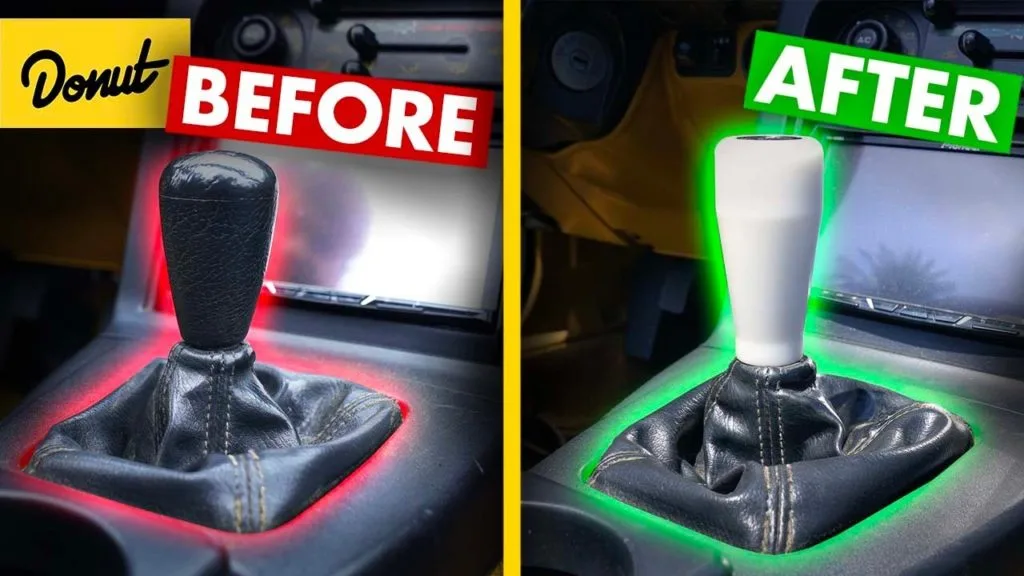

Short shifters are performance-enhancing modifications designed to improve the driving experience by reducing the distance, or “throw,” required to shift between gears. By altering the geometry of the shifter mechanism, short shifters allow quicker and more precise gear changes, making them a popular upgrade among driving enthusiasts and racers.
While they don’t directly increase your car’s power or speed, they contribute to a sportier feel, better control, and improved responsiveness, especially during spirited driving or on the track. Whether you’re chasing faster lap times or simply looking for a more engaging driving experience, a short shifter can make a noticeable difference.
However, what is often missed is that a short shifter does not operate in isolation. Its effectiveness depends heavily on the condition of the entire shifting system, including shifter bushes, linkage wear, cable stretch (in cable-operated systems), and even heat exposure in performance or turbocharged builds.
In real-world performance driving, a worn supporting system can completely mask or reduce the benefits of even a high-quality short shifter. This is why professional builds always inspect the full shifter assembly before upgrading.
What Is a Short Shifter?
A short throw shifter is an aftermarket or factory upgrade designed to reduce the distance, or “throw,” required to shift between gears in a manual transmission vehicle.It achieves this by altering the shifter’s pivot point or the length of the shift lever, allowing for quicker, more precise gear changes.Key Features of a Short Throw Shifter:
In higher-quality systems, the improvement is not just “shorter movement,” but a change in mechanical feedback. This means the driver receives more direct engagement feedback from the gearbox, improving shift confidence under load.
Premium short shifters also refine lateral gate spacing and centering force, which helps reduce missed shifts during aggressive driving or rapid gear changes.
Short Shifter Cost & Installation
The cost of installing a short shifter typically ranges between $150 and $600, depending on the vehicle type, shifter brand, and whether professional installation is required. Basic short shifter kits for common manual transmission cars are usually more affordable, while premium performance kits designed for sports cars or track-focused builds can cost significantly more. Labor costs may also increase if additional drivetrain components such as bushings, cables, or linkages need replacement during installation.
In many cases, the overall cost is influenced more by the condition of the existing shifting system than the short shifter itself. Worn bushings, stretched cables, or loose linkage components can reduce shift quality and may need servicing to achieve the full benefit of the upgrade. This is why professional installers often inspect the complete shifter assembly before fitting a short throw shifter to ensure proper performance, reliability, and long-term driving feel.
Use our Free Auto Repair Cost Estimator to calculate the expected repair cost based on your vehicle issue.
Use the Repair Cost Estimator
Related Article: What does ET mean on a car?
What Does a Short Throw Shifter Do?
Short shifters are modifications designed to enhance the shifting experience in manual transmission vehicles. Their primary function is to reduce the distance (or “throw”) required to shift between gears, allowing drivers to engage gears more quickly and with greater precision.
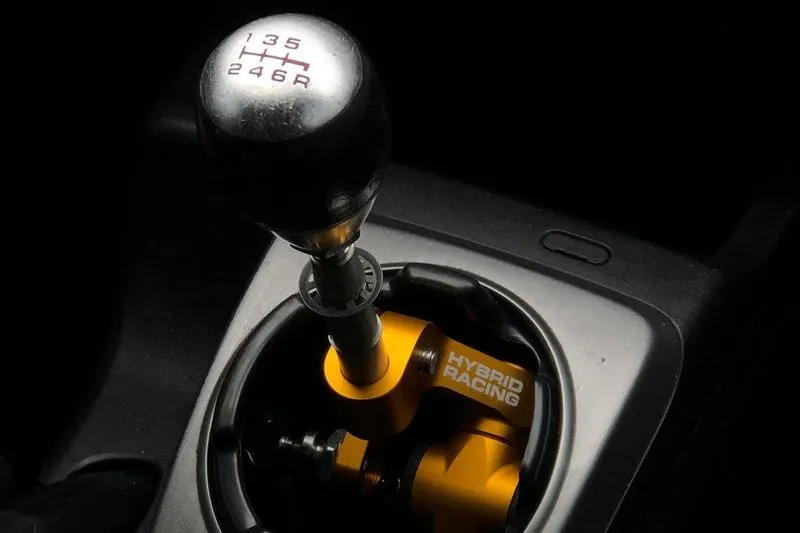
How Does the Short Shifter Work:
From a mechanical standpoint, this changes the leverage ratio between driver input and transmission actuation. A shorter throw does not mean less transmission movement, it means more efficient conversion of lever motion into gear engagement.
This is why high-quality short shifters feel “mechanically tight” rather than just shorter, they reduce wasted motion in the system.
Short shifters achieve this by:
Credit: sxdrv.com
Benefits of a Short Throw Shifter
A short shifter offers several advantages, particularly for manual transmission enthusiasts and performance-oriented drivers. Here are the key benefits:
Reduced Shift Throw
Short shifters decrease the distance required to shift between gears, enabling quicker and more efficient gear changes. This is especially valuable in performance driving or racing situations.
The real-world benefit here is reduced time off throttle during shifts, which improves consistency in acceleration rather than outright speed gains.
Related Article: What does gate mean on Jeep dashboard?
Enhanced Driving Feel
They provide a more direct and mechanical feel when engaging gears, creating a sportier and more engaging driving experience.
This mechanical feel comes from reduced play in the linkage and tighter lever control, which increases driver confidence during fast gear transitions.
Related Article: What does CXL mean on a Buick Enclave?
Improved Precision
The reduced throw minimizes the chance of missed shifts, offering better control and confidence during spirited driving or high-pressure conditions.
However, this benefit is only fully realized when bushings and linkages are in good condition. Worn components can still introduce slop even after upgrading.
Faster Gear Changes
By shortening the time it takes to change gears, a short shifter helps optimize performance, particularly on the track or in competitive scenarios.
Better Ergonomics
Some short shifters have ergonomically designed knobs and positions, making gear changes more comfortable and less strenuous.
Customization and Personalization
A short shifter upgrade allows drivers to tailor their car’s performance to their preferences, enhancing their overall connection to the vehicle.
SYSTEM INSIGHT
A short shifter should always be evaluated as part of a full drivetrain interaction system.
The final shift feel depends not only on the shifter itself but also on:
- bushing wear and material flex
- cable stretch or slack (if applicable)
- gearbox synchro condition
- engine and transmission movement under load
- heat expansion in surrounding components
This is why two identical short shifters can feel completely different in two different cars.
Related Article: What does CAL mean in a car?
Is a Short Shifter Worth It?
A short shifter can be a worthwhile upgrade, depending on your driving preferences and goals. While it doesn’t increase horsepower or torque, it can enhance the overall driving experience.
Here are the pros and cons to help you decide:
When a Short Shifter Is Worth It?
The “worth it” factor is also heavily influenced by drivetrain condition—worn bushings or cables can reduce perceived improvement by a significant margin in feel consistency, even if throw distance is reduced.
You Love Spirited Driving
If you enjoy performance driving or track days, a short shifter can reduce shift times and make gear changes more precise, giving you a more engaging experience.
You Want Better Shift Feel
Short shifters provide a sportier, more mechanical feel, which many enthusiasts appreciate. It creates a stronger connection between you and the car.
You’re Upgrading for Performance
While it doesn’t increase speed, the reduced throw can help optimize your shifting rhythm, especially during competitive driving or fast-paced scenarios.
You Seek Customization
Short shifters allow for personalized shift height and throw distance, tailoring the car’s setup to your liking.
When It Might Not Be Worth It?
A shorter throw increases mechanical stiffness due to reduced leverage. This is not a defect, it is a natural result of changing lever geometry. However, this can expose weak points in older transmissions or worn linkage systems, making pre-existing issues more noticeable.
You Drive Mainly in Traffic
In stop-and-go conditions, the reduced leverage of a short shifter can make shifting feel heavier or less comfortable over time.
You’re Happy With Your Current Setup
If your car’s stock shifter already provides smooth and satisfying shifts, a short shifter may not offer a dramatic improvement.
Installation and Cost
A high-quality short shifter and professional installation can be pricey. Consider whether the investment aligns with your priorities.
Related Article: What does CAL mean in a car?
Do Short Shifters Really Make a Difference?
Yes, short shifters can make a noticeable difference, especially for drivers who value performance and precision. However, the impact varies based on the type of vehicle, driving style, and expectations.
Here’s a breakdown:
How Short Shifters Make a Difference?
Reduced Shift Throw: A short shifter significantly decreases the distance your hand needs to move between gears, allowing for quicker and more efficient gear changes.
In performance driving, this reduces shift interruption time, helping maintain engine momentum rather than increasing raw acceleration.
Improved Shift Feel: The shorter throw often provides a tighter, more direct connection between the driver and the transmission, enhancing the overall driving experience.
This is achieved by reducing mechanical play in the shift linkage system, which increases feedback clarity.
Increased Precision: With less travel in the shifter, there’s less room for error, reducing the likelihood of missed shifts.
Sportier Driving Experience: Short shifters give a more mechanical, performance-oriented feel, which can make driving more enjoyable for enthusiasts.
Limitations of Short Shifters
The effectiveness of a short shifter is proportional to the factory lever ratio. Vehicles with long factory throws benefit significantly more than those with already short, precise OEM setups.
No Power Gains: A short shifter doesn’t increase horsepower or torque—it only changes how you interact with the transmission.
Heavier Shifting Effort: The reduced leverage can make shifts feel stiffer or require more effort, which might not appeal to everyone.
Varied Impact by Vehicle: The difference depends heavily on OEM shifter design and drivetrain layout.
Additionally, cable-operated systems typically show more noticeable improvement compared to direct-linkage systems because they inherently contain more flex points.
Does a Short Shifter Add Horsepower?
If you’re looking to add a little extra horsepower to your car, a short shifter is one way to do it.
By reducing the amount of time it takes to shift gears, a short shifter can give your engine a bit more power. It’s not a huge increase, but every little bit helps.
There are two main types of short shifters: mechanical and hydraulic.
A mechanical shifter uses cables and linkages to connect the shifter knob to the transmission. A hydraulic shifter uses fluid pressure to actuate the shifting mechanism.
Both types will get the job done, but hydraulic is generally considered smoother and more precise.
Installing a short shifter is usually pretty straightforward.
A short shifter does NOT increase horsepower. Any perceived performance gain comes indirectly from reduced shift time and improved driver consistency, not engine output.
The correct interpretation is improved drivetrain efficiency during gear changes, not power increase.
If installed correctly, a short shifter works reliably and improves shift consistency over time when paired with proper lubrication and adjustment.
Related Article: What does check TPM system mean on a Jeep?
Do Short Shifters Damage Transmissions?
No, short shifters do not damage transmissions. In fact, they can actually prolong the life of your transmission by reducing wear and tear.
Short shifters work by reducing the amount of travel that your shifter has to make in order to engage each gear. This means that your shifter will spend less time in between gears, which reduces the amount of wear and tear on your transmission.
A short shifter itself does not create mechanical damage to the gearbox. However, improper installation, misalignment, or excessive force during shifting can increase stress on shift linkages and synchro components.
The transmission safety depends more on driver input and system condition than on the shifter modification itself.
Do Short Shifters Damage Synchros?
If you’re a car enthusiast, you’ve probably heard of short shifters. A short shifter is a device that’s installed in your car to reduce the amount of time and effort required to shift gears.Many people believe that short shifters can damage your car’s synchros, but is this true?
Synchros are what allow your car to smoothly shift gears. They work by matching the speed of the spinning gear with the speed of the input shaft, so that when you engage the next gear, it’s already spinning at the same speed and there’s no clash between them.This reduces wear on both the synchros and gears, and makes shifting smoother overall.
However, some people believe that short shifters can damage synchros because they make it easier to shift into a higher gear while the input shaft is still spinning quickly from being in a lower gear.This can supposedly cause the synchro to over spin, leading to premature wear or even failure. So far there isn’t any definitive evidence that short shifters damage synchros.
In fact, many professional racecar drivers use short shifters without any problems. It’s possible that if you misuse a short shifter (for example, by shifting too quickly), then you could damage your synchros – but this would be true of any type of shifting, not just with short shifters.
Synchro wear is primarily influenced by shift timing, clutch engagement quality, and driver behavior, not the shifter throw length itself.
A short shifter can actually improve synchro longevity indirectly by reducing hesitation and encouraging cleaner, more decisive shifts when used correctly.
However, aggressive shifting habits (forcing gears or rushing engagement without proper rev matching) will damage synchros regardless of shifter type.
So as long as you use common sense and don’t try to force your car into a higher gear before it’s ready, you should be fine.
Conclusion
If you’re looking to upgrade your car’s shifter, you may be wondering if a short shifter is worth the investment. Short shifters are designed to reduce the amount of time and effort required to shift gears, and can be a great way to improve your driving experience.
However, there are a few things to keep in mind before you purchase a short shifter, such as compatibility with your car and whether or not you’ll actually use all of the features. Ultimately, it’s up to you to decide if a short shifter is worth the money.
In real-world performance use, a short shifter delivers the most value when the entire shifting system is healthy and optimized, including bushes, linkages, and proper adjustment.
When these supporting components are in good condition, a short shifter enhances precision, consistency, and driver engagement significantly. When they are worn, the improvement may be limited or inconsistent.
This is why professional builds treat short shifters as part of a complete drivetrain feel system rather than a standalone upgrade.