
A proper strut mount replacement is essential for maintaining ride comfort, steering stability, and suspension performance. The strut mount connects the suspension strut assembly to the vehicle chassis while helping absorb road shock, vibration, and impact. When the mount begins to fail, drivers may notice clunking sounds, uneven tire wear, poor handling, or excessive vibration during turns and braking.
Many vehicle owners ignore early suspension issues until they become more serious. However, delaying a strut mount replacement can place extra stress on shocks, struts, steering components, and tires. Replacing worn suspension parts early helps maintain driving safety and prevents additional suspension damage over time.
What Is a Strut Mount?
Many drivers ask, what is a strut mount and why is it important for suspension performance. A strut mount is a suspension component located at the top of the strut assembly that secures the strut to the vehicle body. The mount also acts as a vibration isolator and helps cushion road impact while supporting steering movement.
Most modern vehicles use an upper strut mount with rubber insulation and a built-in strut mount bearing. The bearing allows the suspension and steering system to rotate smoothly during turns. Over time, the rubber strut mount bushing and bearing can wear out due to road conditions, age, and constant suspension movement.
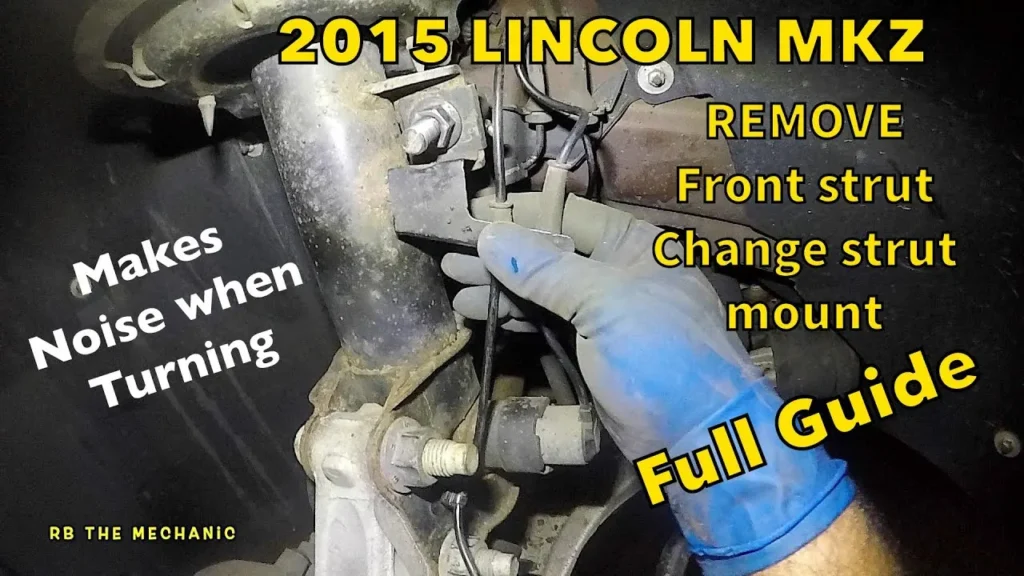
Credit: www.youtube.com
Related Article: Can Bad Struts Cause Shaking?
Common Bad Strut Mount Symptoms
Recognizing bad strut mount symptoms early can help prevent expensive suspension repairs. A failing mount often creates noticeable noises and changes in handling that become worse over time. Drivers may hear a bad strut mount sound when turning the steering wheel, driving over bumps, or braking suddenly.
Some of the most common signs of bad strut mount problems include:
- Clunking or knocking noises
- Steering wheel vibration
- Uneven tire wear
- Suspension instability
- Excessive front-end movement
- Poor steering response
- Visible damage to the top strut mount
A worn suspension strut mount can also create persistent strut mount noise that becomes louder while driving on rough roads. If ignored, a broken strut mount may eventually affect wheel alignment and suspension geometry.
What Causes Strut Mount Failure?
Several factors can lead to premature mount wear and suspension problems. Continuous exposure to potholes, road debris, moisture, and rough driving conditions gradually weakens the rubber and internal bearing components. Over time, the strut top mount may crack, compress, or separate completely.
In many cases, worn shocks and struts accelerate mount damage because excessive suspension movement places additional pressure on the upper strut mount. Vehicles with aging suspension systems often require both strut and strut mount replacement at the same time for optimal ride quality.
Related Article: How to Replace Struts Without Needing Alignment?
How to Install or Replace Front Struts on Any Vehicle! (Full Guide!)
Strut Mount Replacement Cost
The average strut mount replacement cost usually ranges from $150 to $500 per mount, depending on the vehicle type, labor rates, and whether the entire strut assembly is replaced. Luxury vehicles, performance cars, and SUVs with advanced suspension systems often cost more due to increased labor complexity.
Several factors affect total strut mount replacement cost, including:
- Vehicle make and model
- OEM vs aftermarket parts
- Labor time
- Wheel alignment requirements
- Suspension condition
If the mechanic also replaces the shocks, struts, springs, or strut mount bearing, the overall repair bill may increase significantly. Some repair shops recommend replacing mounts in pairs to maintain balanced suspension performance.
Use our Free Auto Repair Cost Estimator to calculate the expected repair cost based on your vehicle issue.
Use the Repair Cost Estimator
Tools Needed for Strut Mount Replacement
Before starting a DIY strut mount replacement, it is important to gather the correct tools and safety equipment. Suspension springs contain high tension and can be dangerous if handled improperly.
Common tools include:
- Floor jack and jack stands
- Socket and wrench set
- Torque wrench
- Spring compressor
- Pry bar
- Penetrating oil
- Replacement strut mount bushing
- New strut mount bearing
A quality spring compressor is especially important because compressed suspension springs can cause serious injury if released incorrectly.
Related Article: Can a Bad Strut Cause Vibration?
Step-by-Step Strut Mount Replacement Process
The first step in a strut mount replacement is lifting the vehicle securely and removing the wheel. Once the wheel is removed, the technician disconnects the strut assembly from the steering knuckle and suspension components.
After removing the complete strut assembly, a spring compressor is used to safely compress the coil spring. The damaged top strut mount, bearing, and rubber isolator can then be removed and replaced with new components. Once the new parts are installed, the suspension assembly is reassembled and torqued to manufacturer specifications.
After installation, most vehicles require a wheel alignment to restore proper suspension geometry and steering performance.
Related Article: Does Cold Weather Affect Air Suspension?
Torque Strut Mount vs Suspension Strut Mount
Some drivers confuse a torque strut mount with a suspension mount, but they serve different functions. A torque strut mount is part of the engine mounting system and helps stabilize engine movement during acceleration and braking.
An engine torque strut mount is commonly found in front-wheel-drive vehicles where it limits engine rotation and vibration. While both components use rubber insulation to reduce vibration, a suspension strut mount replacement focuses on ride quality and steering stability rather than engine movement.
A failing engine torque strut mount can create clunking sounds, drivetrain movement, and excessive engine vibration under load.
Can You Drive With a Bad Strut Mount?
Driving with damaged mounts is not recommended because suspension performance and steering control may become unpredictable. Severe bad strut mount symptoms can reduce braking stability and increase tire wear, especially during cornering or emergency maneuvers.
A severely worn or broken strut mount may eventually damage the strut assembly, steering components, and wheel alignment. In extreme situations, suspension movement can become unsafe, particularly at highway speeds or on rough roads.
Related Article: How to Rotate Strut Mount?
Signs You Need Immediate Replacement
There are several warning signs that indicate immediate inspection is necessary. Loud knocking sounds, steering stiffness, and excessive front suspension movement usually suggest serious mount wear.
Other important symptoms include:
- Popping noise while turning
- Excessive vibration through the steering wheel
- Visible cracks in the mount
- Uneven ride height
- Persistent strut mount noise
- Loose steering feel
If these problems continue, scheduling a professional inspection quickly can help avoid additional suspension damage.
Related Article: What Is Up Country Suspension?
Should You Replace Struts and Mounts Together?
Many mechanics recommend replacing shocks, struts, and mounts together because these suspension parts wear at similar rates. Installing new struts with old mounts may reduce ride quality and shorten the lifespan of the new suspension components.
Replacing the strut mount bearing, rubber isolators, and mounts together helps restore smooth steering response and suspension stability. Combined suspension service can also reduce labor costs compared to replacing parts separately later.
Conclusion
Completing a proper strut mount replacement helps improve suspension comfort, steering precision, and overall driving safety. Worn mounts can create vibration, steering issues, and serious bad strut mount symptoms that affect ride quality and tire wear. Replacing damaged mounts early can prevent further suspension problems and protect other steering components.
Whether you are dealing with a noisy top strut mount, worn strut mount bushing, damaged strut mount bearing, or a failing engine torque strut mount, timely repairs are essential for maintaining a smooth and stable driving experience.