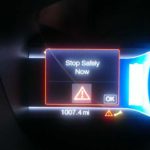

A transmission warning can be frustrating and confusing, especially when your vehicle suddenly refuses to shift properly or displays a dashboard warning message. If you are searching for how to fix shift system fault, it usually means the vehicle has detected a problem within the transmission shifting system, gear selector assembly, or electronic communication between drivetrain components.
Modern vehicles rely heavily on sensors, shift actuators, transmission control modules, and electronic gear selectors to manage smooth shifting. When one of these systems malfunctions, the vehicle may enter limp mode, become stuck in a gear, refuse to shift, or display a shift system fault warning message on the dashboard. Diagnosing the issue quickly is important because some transmission-related problems can worsen rapidly if ignored.
What Does Shift System Fault Mean?
A shift system fault warning generally indicates the vehicle is having trouble controlling or detecting gear changes correctly. This can involve:
- Transmission sensors
- Shift solenoids
- Gear selector modules
- Wiring problems
- Low transmission fluid
- Transmission control module failures
Some vehicles may still drive normally for a short time, while others immediately restrict shifting to protect the transmission from internal damage.
The warning is especially common in modern electronically controlled automatic transmissions where gear selection depends on multiple sensors and computer-controlled actuators working together properly.
Common Symptoms of a Shift System Fault
Transmission shifting problems often develop gradually before becoming severe enough to trigger warning messages. Drivers may initially notice delayed shifting or rough gear engagement before the dashboard warning appears.
Common symptoms include:
- Delayed gear changes
- Hard shifting
- Transmission slipping
- Vehicle stuck in one gear
- Gear selector not responding
- Reduced acceleration
- Transmission warning light
- Sudden loss of power
- Jerking during acceleration
In more serious situations, the transmission may enter limp mode to prevent further drivetrain damage.
Related Article: Is There a Fuse for Shift Solenoid?
What Causes a Shift System Fault?
Several mechanical and electronic problems can trigger a shift system fault warning. Since modern transmissions depend heavily on electronics, even small electrical failures can affect shifting performance significantly.
Common causes include:
- Low transmission fluid
- Dirty transmission fluid
- Faulty shift solenoids
- Transmission control module problems
- Damaged wiring harnesses
- Bad transmission sensors
- Gear selector issues
- Weak battery voltage
- Internal transmission wear
Ignoring early symptoms can eventually lead to severe transmission damage and expensive repairs.
How to Fix Shift System Fault?
Understanding how to fix shift system fault starts with proper diagnosis rather than replacing parts randomly. Because multiple systems can create similar symptoms, identifying the root cause is extremely important.
The repair process usually begins with:
- Scanning the vehicle using an OBD2 scanner
- Reading transmission-related trouble codes
- Inspecting transmission fluid condition
- Checking electrical connections and wiring
- Testing transmission sensors and solenoids
- Inspecting the gear selector assembly
- Performing necessary repairs or replacements
Once repairs are completed, technicians usually clear stored fault codes and road test the vehicle to verify normal shifting operation.
Related Article: What Fuse Controls the Gear Shift Light?
Average Repair Costs
Repair costs vary widely depending on the actual cause of the shifting problem. Minor electrical or fluid-related repairs are generally affordable, while internal transmission repairs can become very expensive.
Use our Free Auto Repair Cost Estimator to calculate the expected repair cost based on your vehicle issue.
Use the Repair Cost Estimator
Typical repair categories may include:
- Transmission fluid service
- Sensor replacement
- Shift solenoid replacement
- Wiring repairs
- Gear selector replacement
- Transmission rebuild or replacement
Addressing shifting issues early usually helps prevent larger transmission failures later.
Shift Sys Fault Service Required Temporary Fix
Transmission Fluid Problems
Low or contaminated transmission fluid is one of the most common causes of shifting problems. Automatic transmissions rely on hydraulic pressure generated by transmission fluid to engage gears properly.
Signs of transmission fluid issues include:
- Delayed shifting
- Slipping gears
- Overheating
- Grinding sensations
- Harsh gear changes
Burnt or dirty fluid can also damage internal transmission components over time. Routine fluid inspections and service intervals are extremely important for maintaining transmission health.
Related Article: How Long Can You Drive With a Bad Shift Solenoid?
Faulty Shift Solenoids
Shift solenoids control hydraulic fluid flow inside the transmission and help manage gear changes electronically. When a solenoid sticks or fails, the transmission may struggle to shift correctly or become locked in a single gear.
Symptoms of bad shift solenoids may include:
- Delayed gear engagement
- Gear skipping
- Limp mode activation
- Check engine light
- Poor acceleration
Solenoid problems are especially common in high-mileage automatic transmissions with poor maintenance history.
Electrical and Sensor Problems
Modern transmission systems depend on accurate sensor data and stable electrical communication between modules. Wiring damage, voltage problems, or failed sensors can trigger a shift system fault even when the transmission itself is mechanically healthy.
Electrical-related causes may include:
- Faulty speed sensors
- Damaged connectors
- Corroded wiring
- Weak alternator output
- Battery voltage fluctuations
Professional diagnostic tools are usually required to isolate these electronic faults accurately.
Related Article: What Is Shift Lock on Nissan Altima?
Gear Selector and Shift Linkage Issues
Some vehicles develop problems within the gear selector assembly itself. If the shift linkage, electronic shifter, or selector module becomes damaged, the vehicle may not recognize gear commands correctly.
Possible symptoms include:
- Unable to shift into gear
- Gear indicator mismatch
- Intermittent shifting problems
- Stuck shifter
- Park release failure
In some vehicles, software updates or recalibration procedures may also be required after repairs.
Can You Drive With a Shift System Fault?
Whether you can continue driving depends entirely on the severity of the issue. Some minor electrical faults may still allow limited driving temporarily, while major transmission problems can become dangerous very quickly.
Driving with severe transmission faults may lead to:
- Complete transmission failure
- Loss of acceleration
- Sudden gear disengagement
- Overheating
- Internal gearbox damage
If the vehicle enters limp mode or shifts aggressively, it is best to limit driving and schedule a proper inspection immediately.
Related Article: How to Fix Northstar Engine Oil Leak?
Diagnosing Shift System Problems
Professional diagnosis is important because transmission symptoms often overlap with engine, drivetrain, and electrical issues. Technicians usually combine several tests to locate the exact source of the fault.
Common diagnostic procedures include:
- OBD2 transmission code scanning
- Transmission pressure testing
- Fluid inspection
- Electrical system testing
- Sensor data analysis
- Road testing
Accurate diagnosis helps prevent unnecessary repairs and reduces overall repair costs significantly.
Related Article: What RPM Do You Shift a Harley?
Preventing Transmission and Shift System Problems
Routine maintenance is one of the best ways to avoid transmission and shifting issues. Since automatic transmissions generate significant heat and rely heavily on clean hydraulic fluid, preventive care is extremely important.
Helpful maintenance practices include:
- Servicing transmission fluid regularly
- Fixing leaks quickly
- Avoiding aggressive shifting habits
- Monitoring warning lights
- Checking battery and charging system health
- Addressing unusual shifting behavior early
Preventive maintenance helps extend transmission lifespan and improves overall drivability.
Related Article: How to Fix Whistling Noise From Car Air Vent?
Final Thoughts
Learning how to fix shift system fault problems starts with proper diagnosis and understanding how modern transmission systems operate. Because automatic transmissions depend on hydraulic pressure, electronics, sensors, and software working together, even relatively small problems can affect shifting performance dramatically.
Ignoring a shift system fault warning can eventually lead to severe transmission damage, expensive repairs, and unsafe driving conditions. Addressing warning signs early and maintaining proper transmission service intervals remain the best ways to protect long-term drivetrain reliability and vehicle performance.