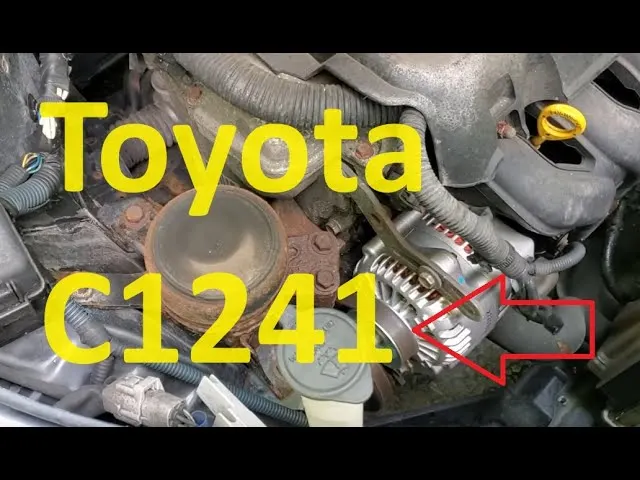

If you are searching for how to fix code C1241, your vehicle is likely experiencing a braking system or voltage-related problem affecting the ABS system, brake booster, or Vehicle Stability Control (VSC) system. Trouble code C1241 commonly appears in Toyota, Lexus, and several other vehicles when the ABS module detects abnormal voltage levels or communication problems within the braking system.
In many cases, code C1241 is triggered by:
- low battery voltage
- charging system failure
- faulty alternator
- damaged ABS wiring
- poor ground connections
- brake system electrical faults
Drivers may notice warning lights for ABS, traction control, brake system monitoring, or VSC activation appearing on the dashboard. Ignoring this problem for too long can affect braking performance, traction control operation, and overall driving safety.
This guide explains the most common causes of code C1241, how to diagnose the issue properly, and the best ways to restore normal braking system operation.
What Does Code C1241 Mean?
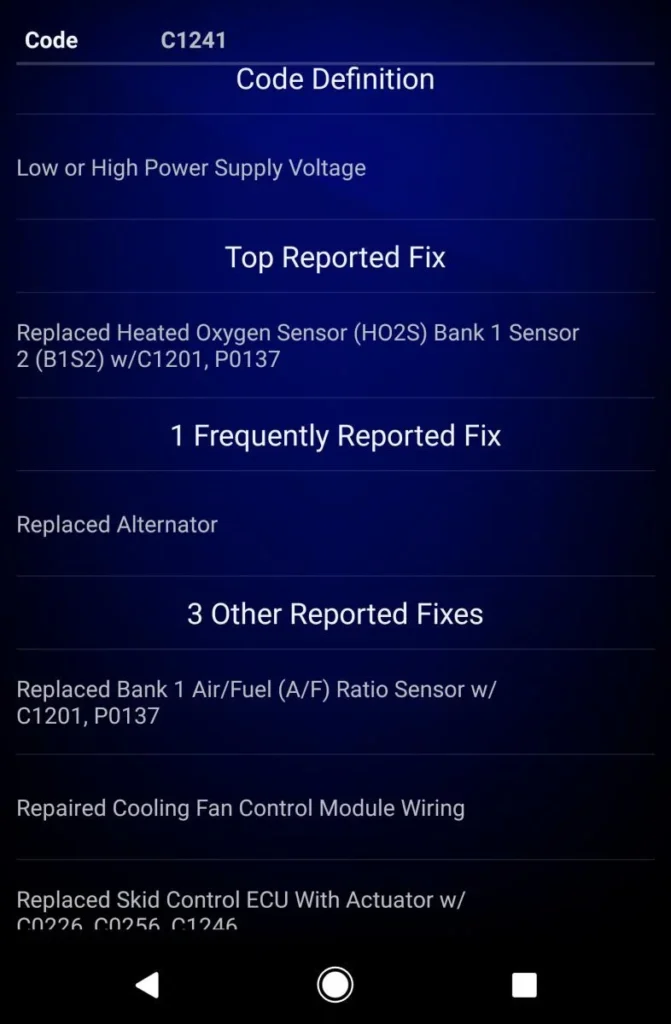
Code C1241 usually indicates that the ABS control module or brake control system has detected low or abnormal system voltage. Modern braking systems rely heavily on stable electrical power to operate:
- ABS functions
- traction control
- electronic brake force distribution
- stability control systems
When voltage drops below manufacturer specifications, the ABS module may disable certain safety functions and trigger warning lights.
In many Toyota and Lexus vehicles, code C1241 specifically relates to:
- low battery voltage during startup
- alternator charging problems
- unstable electrical supply
- communication interruptions between control modules
Because modern brake systems are electronically controlled, even minor voltage irregularities can create serious drivability and safety concerns.
Repair costs for code C1241 vary depending on whether the issue involves a weak battery, charging system failure, ABS module problem, or damaged wiring. In some vehicles, replacing a failing battery or repairing corroded electrical connections may restore proper ABS operation quickly, while more advanced brake control module or charging system repairs can require additional diagnostics and component replacement to fully eliminate ABS and VSC warning lights.
Use our Free Auto Repair Cost Estimator to calculate the expected repair cost based on your vehicle issue.
Use the Repair Cost Estimator
Credit: www.reddit.com
Related Article: Can E85 Cause Lean Codes?
Common Symptoms of Code C1241
Vehicles experiencing code C1241 often develop several warning signs before the issue becomes more severe. Some symptoms may appear intermittently at first, especially during cold starts or heavy electrical load conditions.
One of the most common symptoms is the ABS warning light appearing alongside the traction control or VSC warning lights. Drivers may also notice reduced braking assistance or inconsistent brake pedal feel.
Other common symptoms include:
- illuminated ABS light
- VSC warning light
- traction control disabled
- weak battery performance
- slow engine cranking
- dim headlights
- charging system warning light
- rough idle after startup
- reduced electrical system performance
In severe cases, the vehicle may enter fail-safe mode to protect sensitive electronic systems from unstable voltage conditions.
Related Article: How Do You Fix Code P0087?
Common Causes of Code C1241
Several different electrical and brake-related problems can trigger code C1241. Proper diagnosis is important because replacing ABS components unnecessarily can become expensive quickly.
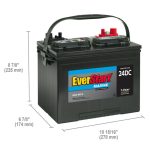
One of the most common causes is a weak or failing battery. Modern ABS and stability control systems require consistent voltage during startup and operation. A battery with low reserve capacity may trigger voltage-related faults even if the vehicle still starts normally.
Other common causes include:
- faulty alternator
- low charging voltage
- corroded battery terminals
- damaged ground cables
- poor ABS module connections
- blown fuses
- wiring harness damage
- brake actuator problems
- failing ABS control module
In some cases, aftermarket electrical accessories or poorly installed audio systems can also interfere with voltage stability and trigger ABS communication errors.
Related Article: Can I drive with a P1004 code?
Start With a Battery and Charging System Inspection
Before replacing expensive ABS or brake control components, inspect the battery and charging system carefully. Voltage-related issues are one of the leading causes of C1241 trouble codes.
Start by checking:
- battery voltage
- battery terminal corrosion
- loose battery connections
- damaged ground straps
- alternator output
A healthy battery should typically measure around 12.6 volts with the engine off. While the engine is running, charging voltage should usually remain between 13.5 and 14.7 volts depending on vehicle specifications.
If charging voltage is too low, the alternator may not be supplying enough power to maintain stable ABS system operation.
Battery terminals should also be cleaned because corrosion can restrict electrical flow and create intermittent voltage drops.
Credit: www.rav4world.com
Related Article: What Is a 7E8 Engine Code?
Inspect the ABS and Brake Control System
Once battery health is confirmed, inspect the ABS system and brake control components for visible signs of damage or poor connections.
Check:
- ABS wheel speed sensor wiring
- brake actuator connectors
- ABS module harnesses
- fuse boxes
- electrical grounds near the chassis
Damaged wiring near wheel speed sensors is especially common because these areas are exposed to:
- road debris
- moisture
- heat
- vibration
Loose or corroded connectors can interrupt communication between the ABS module and the Engine Control Module (ECM), causing warning lights and stored fault codes.
Inspect brake fluid level and condition as well. Although C1241 is commonly voltage-related, low brake fluid or brake actuator faults can sometimes contribute to ABS warning conditions.
Related Article: How do you fix code P0087?
Use an Advanced OBD-II Scanner
Using a professional-grade OBD-II scanner is one of the best ways to diagnose code C1241 accurately. Many basic code readers only display limited engine codes and may not access ABS or VSC system data properly.
An advanced scanner can help monitor:
- ABS module communication
- charging voltage data
- wheel speed sensor readings
- brake actuator performance
- freeze-frame fault data
Freeze-frame information can reveal whether the code appeared:
- during startup
- while braking
- under low voltage conditions
- during acceleration
This information can help identify intermittent electrical problems more efficiently.
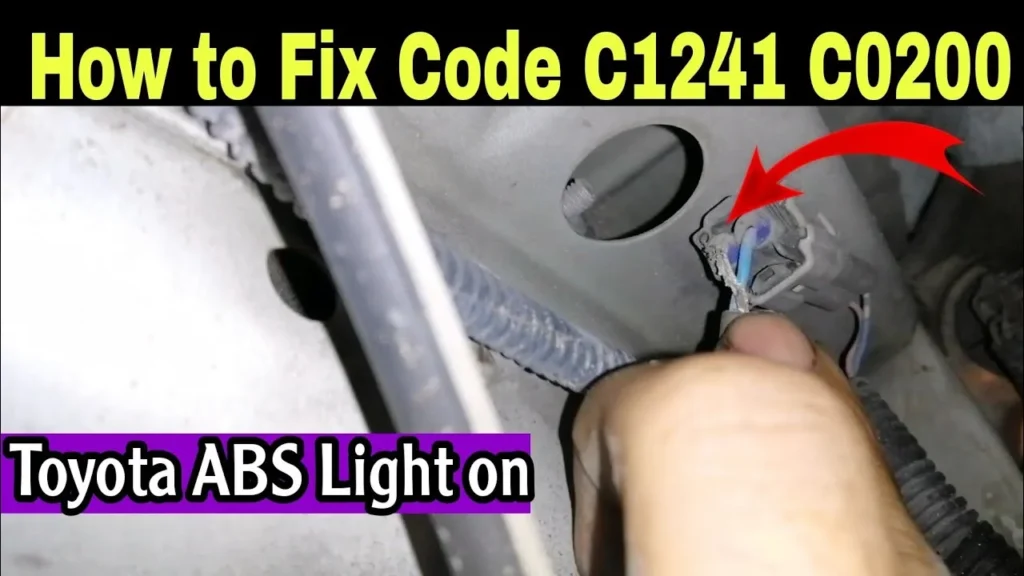
Check Wiring and Ground Connections Carefully
Electrical grounding problems are another major cause of code C1241. Poor grounds can create unstable voltage readings that confuse the ABS module and trigger warning lights.
Inspect:
- battery ground cables
- chassis grounds
- engine grounds
- ABS module grounds
Look for:
- rust buildup
- loose bolts
- frayed wiring
- corrosion
- damaged insulation
Cleaning and tightening major ground connections can sometimes resolve voltage fluctuation problems immediately.
Modern vehicles rely heavily on stable electrical communication between multiple control modules. Even small voltage interruptions can create ABS, VSC, and traction control errors simultaneously.
Credit: www.youtube.com
Related Article: Can an Exhaust Leak Cause a P0420 Code?
Can a Bad Alternator Cause Code C1241?
Yes, a failing alternator is one of the most common causes of code C1241. The alternator supplies electrical power to the vehicle while simultaneously charging the battery during operation.
If the alternator cannot maintain proper voltage levels:
- ABS systems may malfunction
- warning lights may activate
- battery charging may weaken
- electronic systems may behave unpredictably
Signs of alternator problems may include:
- dim headlights
- battery warning light
- fluctuating dashboard lights
- weak starting performance
- electrical accessory failures
Testing alternator output under load conditions is important because some alternators fail intermittently and may appear normal during basic idle testing.
Related Article: Will Cataclean clear a P0420 code?
Tips to Prevent Future C1241 Problems
Preventive maintenance can significantly reduce the risk of future ABS and voltage-related warning codes. Many electrical system failures develop gradually because of battery wear, corrosion, neglected charging system maintenance, or moisture intrusion.
Testing the battery regularly and replacing aging batteries before complete failure can help maintain stable electrical system performance. Cleaning battery terminals and inspecting ground connections periodically also helps prevent voltage fluctuations.
Inspecting alternator performance during routine maintenance can identify weak charging systems early before they trigger ABS communication faults or warning lights. Keeping electrical connectors clean and protected from moisture can further improve long-term reliability.
Using OEM-quality electrical components is highly recommended because low-quality aftermarket batteries or sensors may not provide stable voltage levels required by modern braking systems.
Related Article: How to Fix Code P1133 and P1153?
Final Thoughts
Understanding how to fix code C1241 begins with diagnosing the vehicle’s electrical system, charging system, and ABS communication network properly. In many cases, low battery voltage, charging problems, damaged wiring, or poor ground connections are responsible for triggering the code rather than major brake system failure.
By inspecting battery health, testing alternator output, checking ABS wiring, and scanning live system data carefully, drivers can identify the root cause more accurately and avoid unnecessary parts replacement. Addressing voltage-related issues early can also help protect sensitive ABS and stability control systems from additional damage.
Maintaining a healthy charging system, clean electrical connections, and proper brake system operation will help reduce the chances of future C1241 warning codes while improving overall vehicle safety and reliability.