
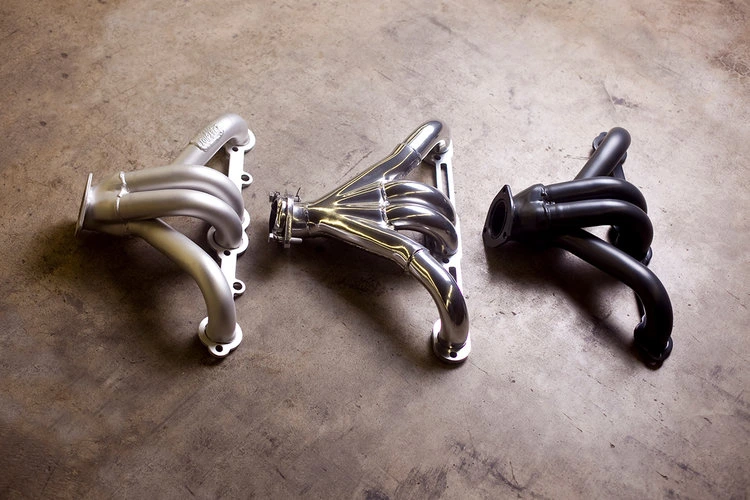

The ceramic coating headers cost varies depending on the vehicle type, coating quality, and labor involved in the process. In most cases, it is considered a performance-focused upgrade that improves heat control and exhaust efficiency.
The exhaust header coating price is not fixed because every application differs based on surface condition, material type, and level of finish required. Since this falls under automotive performance work, the automotive ceramic coating cost is influenced heavily by both material grade and professional expertise.
Direct Cost Breakdown
Before going into details, here is a simple breakdown of typical pricing ranges you will see in the market:
- Basic ceramic coating: $100–$400
- Performance-grade coating: $150–$500+
- High-end/custom builds: up to $1,000
These prices reflect both material and labor combined, especially when applied as part of a complete exhaust system ceramic coating process.
Why Prices Vary So Much?
Ceramic coating is not a one-price service because multiple factors affect the final cost. The complexity of the Exhaust Header design, preparation work, and coating layers all influence pricing.
- Labor intensity: More prep = higher cost
- Coating type: Basic vs high-performance formulas
- Application process: Single vs multi-layer coating
- Vehicle setup: Standard vs performance exhaust systems
In many cases, performance-focused setups that improve exhaust flow and reduce heat buildup require more advanced application techniques, especially when dealing with engine exhaust protection coating systems.
Use our Free Auto Repair Cost Estimator to calculate the expected repair cost based on your vehicle issue.
Use the Repair Cost Estimator
Material and Performance Impact
The type of coating used plays a major role in pricing and results. High-performance coatings are designed to improve thermal stability and reduce heat transfer, making them more expensive but also more effective.
- Basic coatings focus on heat shielding
- Advanced coatings improve long-term durability
- Performance coatings enhance exhaust efficiency and temperature control
This is especially important in systems designed for header heat reduction coating, where maintaining stable engine temperature directly affects performance.
Real-World Cost Expectation
For most vehicles, pricing depends on how far the upgrade goes. A simple street setup costs significantly less than a full performance build involving high-grade materials and detailed finishing work.
- Daily drivers: lower-end pricing range
- Modified cars: mid-range performance coating
- Track/performance builds: premium pricing tier
In performance-focused builds, the process is often treated as a performance car exhaust upgrade cost rather than a basic service.
Related Article: How much ceramic coating do I need?
Ceramic Coated Headers
Average Cost to Ceramic Coat Headers
The average pricing for ceramic coating varies based on the level of performance, material type, and labor required. In most cases, the automotive ceramic coating cost reflects how complex the application is and whether it is part of a full exhaust system ceramic coating job or just a basic protective layer.
Since this process directly affects heat management and durability, pricing is structured around performance expectations rather than a fixed rate.
Standard Price Breakdown
The total cost is usually divided into materials, labor, and coating quality. Each factor plays a role in determining the final price, especially when higher-grade coatings are used for better heat control and longevity.
- Material cost: $50–$150 depending on coating quality
- Labor cost: $100–$300 depending on prep and application work
- Premium performance coating: $300–$600+ for advanced thermal protection
Material cost stays relatively stable, but labor increases when the Exhaust Header requires heavy cleaning, surface prep, or multi-layer coating application. Premium options are often used in performance exhaust coating setups where higher heat resistance and durability are required.
Cost Based on Header Type
The type of header significantly affects pricing because different materials respond differently to coating processes. This also impacts long-term performance and thermal efficiency.
- Steel headers: lowest cost due to easy preparation
- Stainless Steel headers: mid-range cost due to higher surface treatment requirements
- Titanium Exhaust systems: highest cost due to advanced handling and coating difficulty
These differences also affect exhaust manifold coating cost since integrated systems require more precise application and uniform heat protection. In performance-focused setups, coating quality directly influences exhaust flow efficiency and overall system stability.
Related Article: How long to wait to wash car after ceramic coating?
DIY vs Professional Ceramic Coating
Choosing between DIY and professional application has a major impact on both cost and results. While DIY kits are cheaper, they rarely match the performance of professional-grade work.
DIY ceramic coating:
- Lower upfront cost with basic kits
- Inconsistent application quality
- Reduced ceramic coating durability over time
- Limited long-term heat protection
Professional ceramic coating:
- Proper surface preparation and cleaning
- High-grade application techniques
- Strong ceramic coating durability under extreme heat
- Better high temperature coating price justification due to longer lifespan
Professional application is preferred when heat management and reliability matter, especially in performance or modified exhaust systems where consistent thermal protection is essential.
What Are Ceramic Coated Headers?
Ceramic coated headers are a performance-focused upgrade applied to an Exhaust Header within the Engine Exhaust System to improve thermal control and overall efficiency. In simple terms, they act as a heat management layer that keeps excessive exhaust heat contained within the system instead of radiating into the engine bay. This makes them an important engine exhaust heat management component for both stock and modified vehicles.
By applying an engine exhaust protection coating, the surface of the header becomes more resistant to extreme temperatures. This process is often referred to as a header heat reduction coating because it significantly reduces heat transfer to surrounding engine components. In some setups, even the Exhaust Manifold is coated to ensure consistent thermal performance across the entire exhaust path.
How Ceramic Coated Headers Work?
Ceramic coatings create a thermal barrier that stabilizes exhaust temperatures and improves airflow behavior.
- Reduces heat transfer to engine bay components
- Helps maintain higher exhaust gas temperatures inside the system
- Supports improved combustion efficiency and engine response
- Enhances overall thermal stability under load
This combination of heat control and flow improvement is why ceramic coatings are widely used in performance and motorsport applications.
Why Are Ceramic Coating Headers Expensive?
The cost of ceramic coating headers is higher than basic exhaust treatments because the process requires precision, specialized materials, and multiple stages of application. It is not a simple surface spray, it is a controlled thermal coating process designed for long-term performance.
High-Temperature Material Processing
Ceramic coatings are engineered to withstand extreme exhaust temperatures. The materials used must be processed under controlled conditions to ensure they bond properly and maintain stability under continuous heat cycles.
Labor-Intensive Preparation
Before coating begins, the Exhaust Header must be fully cleaned, stripped, and sometimes sandblasted. This preparation ensures proper adhesion and long-term durability, but it also increases labor time and cost.
- Deep cleaning and degreasing
- Surface abrasion or sandblasting
- Masking of non-coated areas
Precision Application Process
Unlike standard coatings, ceramic coatings require even and controlled application. Uneven layers can reduce performance or cause premature failure.
- Controlled spray techniques
- Even layer distribution
- Strict curing process
Multiple Coating Layers
High-performance systems often use multiple layers to achieve maximum thermal protection. This increases both material usage and application time, especially in full exhaust system ceramic coating jobs.
- Base thermal layer for heat insulation
- Secondary protective layer for durability
- Optional top coat for corrosion resistance
Because of these combined factors, ceramic coating is considered a vehicle performance upgrade cost rather than a basic maintenance expense.
Related Article: How to clean ceramic headers?
Benefits of Ceramic Coating Headers
Ceramic coating headers are widely used in performance and daily-driven vehicles because they improve both thermal control and long-term reliability. By applying a performance exhaust coating to an Exhaust Header, the system becomes more efficient at managing heat while also improving overall engine behavior.
One of the biggest advantages is enhanced ceramic coating heat resistance, which directly impacts performance stability under load.
Heat Reduction (Improves Performance)
One of the primary benefits is reduced heat transfer. By keeping more heat inside the exhaust system and away from the engine bay, the vehicle maintains better operating conditions.
- Lowers under-hood temperatures
- Improves combustion efficiency
- Reduces heat soak in surrounding components
This makes it especially useful in performance builds where heat control directly affects output.
Corrosion Resistance
Ceramic coatings also protect metal surfaces from environmental damage. The coating acts as a barrier against moisture, road salts, and oxidation.
- Protects Exhaust Manifold and headers from rust
- Extends service life in harsh conditions
- Reduces surface degradation over time
This is where Corrosion Resistance becomes a major advantage in long-term vehicle protection.
Improved Engine Efficiency
By stabilizing exhaust temperatures, ceramic coatings help the engine operate more consistently. This leads to smoother performance and better exhaust flow dynamics.
- More stable exhaust gas temperatures
- Improved airflow efficiency
- Better overall engine response
Longer Lifespan
Coated components last longer due to reduced thermal stress and corrosion exposure. This makes ceramic coating a strong long-term investment for both stock and modified vehicles.
Cost Factors That Affect Ceramic Coating Headers
The final exhaust header coating price depends on several technical and service-related factors. Since this process is part of broader automotive ceramic coating cost considerations, pricing varies based on performance goals and vehicle setup.
Header Material Type
Different materials require different preparation and coating methods.
- Mild steel: lower cost due to easy prep
- Stainless steel: moderate cost due to surface treatment
- Exotic metals: higher cost due to specialized handling
Engine Size
Larger engines require more coating material and labor time, increasing total cost.
- More surface area = higher material usage
- Longer application time increases labor charges
Coating Quality
Higher-grade coatings improve performance but increase cost.
- Basic coatings: budget-friendly, limited performance
- Premium coatings: better heat resistance and durability
- Performance-grade coatings: optimized for racing or tuning setups
Labor Complexity
Complex Exhaust Header designs require more detailed work.
- Sandblasting and surface prep
- Multi-layer coating application
- Precision curing process
Shop Location & Expertise
Pricing also varies based on workshop standards and location, often tied to overall Vehicle Maintenance quality levels.
- High-end shops charge more
- Skilled applicators ensure better results
- Equipment quality affects pricing
Is Ceramic Coating Headers Worth It?
Whether ceramic coating is worth it depends on performance goals, budget, and vehicle usage. In many cases, it provides strong value when viewed as a long-term investment rather than a short-term expense.
Performance Gain vs Cost
The initial cost may seem high, but improved thermal efficiency and reduced heat soak often justify the investment, especially in tuned engines.
Heat Management Benefits
Better heat control improves engine stability and reduces stress on surrounding components, making it valuable for performance and daily driving.
Long-Term Durability
Strong ceramic coating durability ensures the coating lasts for years under extreme heat cycles without degrading quickly.
Fuel Efficiency Improvement
In some cases, better thermal efficiency leads to slight fuel savings due to improved combustion stability.
Performance Upgrade ROI
From a value perspective, ceramic coating provides a solid performance upgrade ROI by combining durability, efficiency, and reduced maintenance needs over time.
Ceramic Coating vs Other Exhaust Coatings
Choosing the right exhaust treatment depends on performance goals, heat management needs, and budget. While ceramic coating is designed specifically for high-performance thermal control, other coatings like paint and powder coatings serve different purposes.
This comparison helps understand why exhaust system ceramic coating is often preferred in performance applications.
Ceramic Coating vs Powder Coating
Powder Coating is mainly used for surface protection and appearance rather than extreme heat resistance. It performs well in moderate temperature environments but struggles in exhaust-level heat conditions.
- Powder coating:
- Affordable and widely available
- Good for corrosion protection
- Limited heat tolerance in exhaust systems
- Ceramic coating:
- Designed for extreme heat environments
- Provides strong thermal insulation
- Ideal for Exhaust Header and Exhaust Manifold applications
Ceramic vs Paint Coating
Paint coatings are the most basic option and are typically used for cosmetic purposes rather than performance.
- Paint coating:
- Lowest cost option
- Poor heat resistance
- Burns or discolors quickly under exhaust temperatures
- Ceramic coating:
- Engineered for high heat durability
- Maintains structure under extreme conditions
- Supports long-term performance stability
Heat Resistance Comparison
- Paint coating: low resistance
- Powder coating: moderate resistance
- Ceramic coating: high temperature stability
This is why ceramic coating remains the preferred choice when heat control and performance matter.
Cost Comparison Table
Understanding pricing helps evaluate the ceramic coating headers cost and overall automotive ceramic coating cost based on service type and performance level.
| Service Type | Cost Range |
| Basic Ceramic Coating | $100–$400 |
| Performance Coating | $150–$500 |
| High-End Coating | $500–$1,000+ |
| DIY Kits | $50–$150 |
The variation in price depends on coating quality, labor intensity, and application method. Performance-grade coatings cost more because they deliver better heat management and durability compared to basic options.
Signs You Should Ceramic Coat Headers
Knowing when to apply a ceramic coating can help prevent long-term engine and exhaust damage. If your vehicle shows early signs of heat stress or corrosion, coating becomes a valuable upgrade.
Excessive Heat Under Hood
If the engine bay becomes noticeably hot during driving, it indicates poor heat management. A header heat reduction coating helps contain exhaust heat within the system and reduces thermal stress.
Rust on Exhaust System
Visible corrosion on the Exhaust Header or Exhaust Manifold suggests that moisture and heat cycles are damaging the metal. Ceramic coating acts as an engine exhaust protection coating that prevents further deterioration.
Performance Drop
Loss of power or inconsistent engine behavior can be caused by excessive heat buildup affecting airflow and combustion efficiency.
Aftermarket Exhaust Upgrade
When installing a performance exhaust system, adding ceramic coating improves durability and thermal efficiency. This ensures the upgrade performs consistently under high load conditions and supports long-term reliability.
Conclusion
The ceramic coating headers cost typically ranges from $100–$400 for basic applications, $150–$500+ for performance setups, and can exceed $1,000 for high-end builds depending on materials, labor, and coating quality. While the investment may seem high, the benefits in heat control, engine efficiency, and long-term protection make it a valuable upgrade for many vehicles.
Improved thermal management, corrosion resistance, and better exhaust performance often justify the expense, especially in modified or high-performance systems. It is most worth it when paired with aftermarket exhaust upgrades or performance builds where durability matters.
Professional application is strongly recommended to ensure proper adhesion and maximum results.