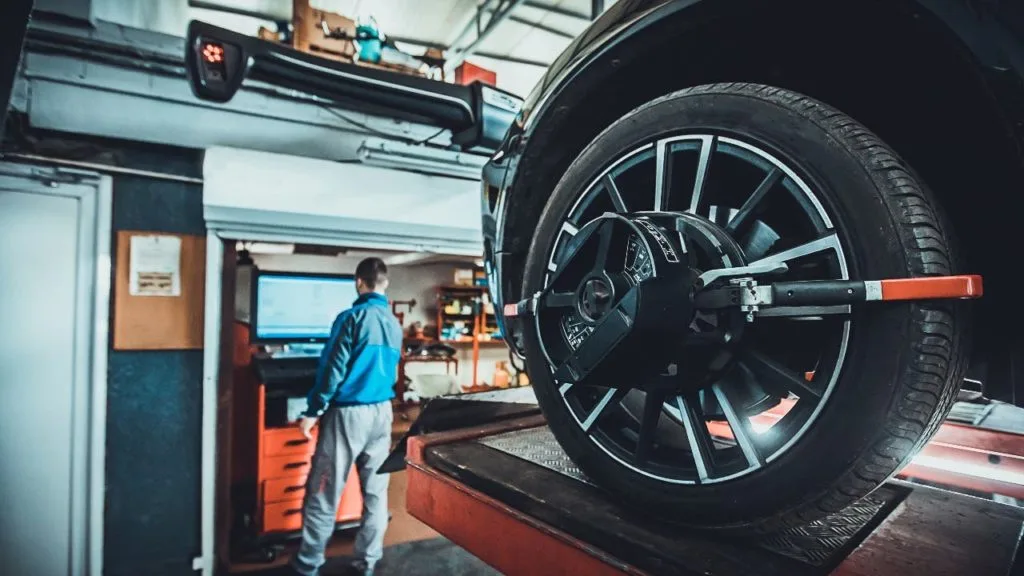

Understanding the Mercedes Benz wheel alignment cost is important for maintaining proper steering, suspension performance, tire lifespan, and overall driving comfort. Wheel alignment service for a Mercedes-Benz vehicle typically ranges from $150 to $400 or more, depending on the model, dealership pricing, suspension complexity, and whether a two-wheel or four-wheel alignment is needed.
Luxury vehicles like Mercedes-Benz use advanced suspension systems, precision steering components, and performance tires, which can make alignment services more expensive compared to standard vehicles. Regular alignment checks help improve vehicle stability, fuel efficiency, and tire wear patterns.
What Is a Wheel Alignment?
A wheel alignment adjusts the suspension geometry and wheel angles so the tires meet the road correctly. Technicians typically adjust three major alignment angles:
- Camber
- Caster
- Toe
Proper wheel alignment ensures your Mercedes-Benz drives straight, handles smoothly, and maintains even tire contact with the road surface. Misalignment can affect braking, steering response, and suspension performance over time.
Related Article: What is a Mercedes B3 service?
How Much Does A Wheel Alignment Cost? | What Customers Should Know!
Average Mercedes-Benz Wheel Alignment Prices
The total cost depends on the vehicle model, dealership labor rates, and whether additional suspension repairs are required.
Related Article: How to check mileage on Mercedes C Class?
Typical Price Range
| Service Type | Estimated Cost |
| Two-wheel alignment | $120–$220 |
| Four-wheel alignment | $180–$400 |
| Performance alignment | $250–$500+ |
| Suspension inspection | $50–$150 |
AMG models, air suspension systems, and larger SUVs like the GLE or GLS may cost more because of advanced suspension calibration requirements.
Use a Wheel Alignment Cost Estimator
Before scheduling service, many drivers compare local labor rates and dealership pricing. You can use our free wheel alignment cost estimator tool to check estimated pricing for your Mercedes-Benz model, suspension type, and service location.
Use our Free Auto Repair Cost Estimator to calculate the expected repair cost based on your vehicle issue.
Use the Repair Cost Estimator
This helps drivers budget for maintenance and compare repair shop estimates more accurately.
Related Article: How to change Mercedes tire?
Factors That Affect Mercedes-Benz Alignment Costs
Solving all the factors that affect Mercedes Benz wheel alignment costs:
Vehicle Model
Luxury sedans, SUVs, and performance models all have different suspension designs. Vehicles equipped with adaptive suspension, AMG performance packages, or air ride systems usually require more specialized alignment procedures.
Dealership vs Independent Shop
Mercedes-Benz dealerships often charge higher labor rates because they use factory-certified technicians and OEM calibration equipment. Independent European auto repair shops may offer lower prices while still providing quality service.
Suspension Condition
If worn suspension components are present, alignment alone may not solve the issue. Damaged parts such as tie rods, control arms, bushings, or ball joints may require replacement before alignment can be completed properly.
Related Article: Why does Mercedes need premium gas?
Signs Your Mercedes-Benz Needs a Wheel Alignment
A wheel alignment issue can affect safety, tire life, and driving comfort. Common warning signs include:
- Vehicle pulling to one side
- Uneven tire wear
- Off-center steering wheel
- Steering wheel vibration
- Poor cornering stability
- Reduced fuel economy
Ignoring alignment problems may lead to premature tire replacement and additional suspension wear.
Benefits of Proper Wheel Alignment
Keeping your Mercedes-Benz aligned properly offers several long-term advantages.
Improved Tire Life
Correct alignment prevents uneven tread wear and helps maximize tire lifespan.
Better Handling and Steering
A properly aligned suspension improves steering precision, cornering control, and highway stability.
Increased Fuel Efficiency
Misaligned wheels create rolling resistance, forcing the engine to work harder and consume more fuel.
Enhanced Driving Comfort
Wheel alignment helps maintain smooth driving dynamics, especially on luxury vehicles designed for comfort and performance.
Related Article: How much is a wheel alignment for Honda Civic?
How Often Should You Get a Wheel Alignment?
Most automotive experts recommend checking wheel alignment:
- Every 10,000–15,000 miles
- After hitting potholes or curbs
- When installing new tires
- After suspension repairs
- If steering problems appear
Routine alignment inspections can help detect suspension issues before they become expensive repairs.
Mercedes-Benz Alignment vs Standard Vehicle Alignment
Mercedes-Benz vehicles often require more advanced alignment procedures because of their engineering and suspension technology.
Features that can increase alignment complexity include:
- Multi-link suspension systems
- Electronic steering systems
- Adaptive damping suspension
- Air suspension calibration
- Performance wheel setups
These systems require specialized alignment equipment and experienced technicians familiar with European luxury vehicles.
Can Driving With Bad Alignment Damage Your Mercedes?
Driving with poor alignment for extended periods can lead to:
- Uneven tire wear
- Suspension strain
- Steering instability
- Reduced braking efficiency
- Increased tire replacement costs
Luxury vehicles like Mercedes-Benz are designed for precise handling, so even small alignment issues can noticeably affect performance and comfort.
Conclusion
The Mercedes Benz wheel alignment cost can vary depending on the vehicle model, suspension setup, labor rates, and alignment type required. While the average alignment service ranges from moderate to premium pricing, routine alignment maintenance helps protect your tires, suspension system, steering components, and overall driving experience.
If you notice uneven tire wear, steering vibration, or your vehicle pulling to one side, scheduling a professional inspection early can help prevent more expensive repairs later. Regular maintenance and proper alignment are key to keeping your Mercedes-Benz performing at its best.