

A bad fuel pump can absolutely create performance issues that feel similar to transmission problems. While the fuel pump and transmission are separate systems, poor fuel delivery can affect acceleration, shifting behavior, engine response, and overall drivability. Many drivers notice hesitation, delayed shifting, jerking, or power loss and assume the transmission is failing when the real issue is actually a bad fuel pump.
Understanding bad fuel pump symptoms early can help prevent unnecessary repairs and avoid long-term engine damage. Because modern vehicles rely heavily on proper fuel pressure and electronic sensor communication, even minor fuel system problems can quickly affect overall vehicle performance.
In many cases, fuel delivery issues gradually worsen over time before complete failure occurs. Paying attention to warning signs early can help reduce repair costs and improve long-term reliability.
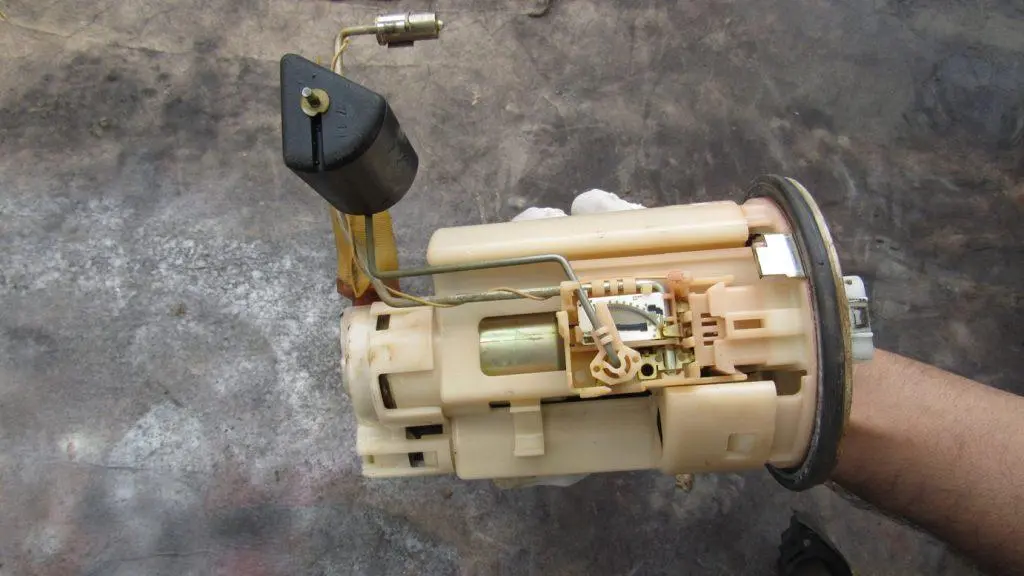
Credit: carfromjapan.com
What Does a Fuel Pump Do?
The fuel pump is responsible for delivering fuel from the gas tank to the engine at the correct pressure. Modern fuel injection systems require consistent fuel pressure for proper combustion, throttle response, and engine efficiency.
When the pump begins failing, the engine may struggle to receive enough fuel during acceleration, high-speed driving, or cold starts. This can create rough performance, hesitation, and unstable driving behavior that sometimes resembles transmission trouble.
Most modern vehicles use electric fuel pumps located inside the fuel tank. These pumps work continuously whenever the engine is running, making them one of the most important components in the fuel delivery system.
Related Article: How Does a Snowmobile Fuel Pump Work?
Can a Bad Fuel Pump Affect the Transmission?
Yes, a bad fuel pump can affect the transmission indirectly. The transmission depends on stable engine performance to shift properly. If the engine struggles due to inconsistent fuel pressure, the transmission may shift harshly, delay gear engagement, or behave unpredictably.
Many drivers notice symptoms such as jerking during acceleration, delayed shifting, or hesitation between gears. These issues often happen because the engine cannot generate enough power consistently.
Modern automatic transmissions rely heavily on throttle input, engine load, and RPM signals to determine shift timing. If fuel delivery becomes unstable, the transmission control system may react improperly and create drivability issues. In severe cases, the vehicle may feel like the transmission is slipping even though the actual problem is fuel starvation caused by a bad fuel pump.
Related Article: Will a New Fuel Pump Improve Gas Mileage?
Bad Fuel Pump Symptoms
Recognizing bad fuel pump symptoms early can help avoid complete fuel system failure. Symptoms usually begin gradually and become more noticeable as fuel pressure declines. Some vehicles may initially experience only minor hesitation during acceleration before progressing into hard starting, stalling, or complete no-start conditions.
Common Signs of a Bad Fuel Pump
The most common signs of a bad fuel pump include:
- Hard starting
- Engine sputtering
- Poor acceleration
- Rough idle
- Sudden power loss
- Engine stalling
- Reduced fuel efficiency
- Jerking while driving
- Whining fuel tank noises
- Difficulty starting after sitting overnight
Drivers researching how to tell if a fuel pump is bad often notice several of these symptoms appearing together. In many vehicles, the symptoms become worse under heavy acceleration or highway driving conditions. A failing pump may also struggle more in hot weather because excessive heat can increase stress on worn internal pump components.
Bad Fuel Pump Repair Cost
The cost to repair a bad fuel pump usually ranges between $400 and $1,200, depending on the vehicle make, fuel tank design, and labor requirements. Fuel pump replacement often includes the pump assembly, fuel filter, electrical testing, and labor costs. Some luxury or high-performance vehicles may cost even more due to difficult fuel tank access and advanced fuel systems.
Use our Free Auto Repair Cost Estimator to calculate the expected repair cost based on your vehicle issue.
Use the Repair Cost Estimator
If the issue is related to a relay, fuse, or clogged filter instead of the pump itself, repairs may be significantly cheaper. Addressing signs of a bad fuel pump early can help avoid complete fuel system failure and reduce overall repair costs.
Related Article: How to Manually Turn On Fuel Pump?
What Does a Bad Fuel Pump Sound Like?
Many drivers ask, what does a bad fuel pump sound like when failure begins. A failing fuel pump often creates unusual noises coming from the fuel tank area. The sounds may initially appear only occasionally before becoming constant as the pump continues wearing out internally.
Common bad fuel pump sound symptoms include:
- High-pitched whining
- Loud humming
- Buzzing noises
- Intermittent clicking sounds
A bad fuel pump sound may become louder during acceleration or immediately after turning the ignition on. In some cases, the sound indicates worn pump bearings, internal electrical failure, or restricted fuel flow. Ignoring these noises can eventually lead to sudden fuel pump failure and complete loss of engine power while driving.
Can a Bad Fuel Pump Cause a Misfire?
Yes, a bad fuel pump can cause a misfire because low fuel pressure often causes incomplete combustion. When the engine does not receive enough fuel, certain cylinders may misfire due to improper air-fuel ratios.
A weak pump may create:
- Random engine misfires
- Hesitation during acceleration
- Rough idle
- Engine shaking under load
Persistent misfires can eventually damage spark plugs, ignition coils, and catalytic converters. This is why unresolved fuel delivery problems should be diagnosed quickly.
In turbocharged or high-performance vehicles, fuel starvation can become even more dangerous because the engine requires higher fuel pressure under boost conditions.
Related Article: How to Start Car After Replacing Fuel Pump?
Can a Bad Fuel Pump Cause a Loss of Power?
Yes,bad fuel pump cause a loss of power is one of the most common fuel system complaints. A weak pump cannot supply enough fuel during acceleration or heavy engine load. Drivers may notice sluggish acceleration, reduced throttle response, or sudden hesitation while merging onto highways.
Loss of power caused by a bad fuel pump often becomes more noticeable:
- During uphill driving
- At higher RPMs
- Under heavy acceleration
- While towing or carrying weight
In severe situations, the vehicle may enter limp mode or stall completely due to insufficient fuel pressure. Long-term power loss issues can also place additional strain on the fuel injectors and ignition system components.
Related Article: How to Prime a Pulse Fuel Pump?
Can a Bad Fuel Pump Cause a Car Not to Start?
Yes, bad fuel pump can cause a car not to start is another extremely common issue. If the pump fails completely, fuel cannot reach the engine properly. Without adequate fuel pressure, combustion cannot occur and the engine may crank without starting.
Common starting symptoms include:
- Long cranking times
- Intermittent no-start conditions
- Sudden stalling followed by no restart
- Engine starts then immediately dies
In some cases, the fuel pump relay or electrical wiring may also contribute to no-start problems. Cold weather, low fuel levels, and excessive heat can sometimes worsen existing fuel pump weaknesses and make starting problems more frequent.
Related Article: Does a Fuel Pump Control Module Need to Be Programmed?
How to Start a Car With a Bad Fuel Pump?
Many drivers search how to start a car with a bad fuel pump during emergency situations. While temporary solutions may occasionally help, they are not permanent fixes. A failing pump may work intermittently before completely failing, especially when internal electrical components begin overheating.
Temporary methods sometimes include:
- Cycling the ignition several times
- Tapping the fuel tank lightly
- Allowing the pump to cool down
- Checking fuel pump relay connections
Drivers also ask how to start a car with a bad fuel pump relay because relay failure can mimic pump failure symptoms. In some cases, replacing the relay restores proper fuel delivery immediately. However, repeated starting issues should always be inspected professionally because complete pump failure can occur without warning.
Related Article: How Long Should Fuel Pump Run with Key On?
How to Check if Fuel Pump Is Bad?
Drivers often check if fuel pump is bad before replacing expensive components unnecessarily. Proper diagnosis usually involves checking fuel pressure, electrical signals, and fuel delivery performance. Professional technicians typically use fuel pressure gauges and scan tools to verify whether the pump is maintaining proper operating pressure.
Common diagnostic steps include:
- Listening for pump priming noise
- Checking fuel pressure levels
- Inspecting fuel pump fuse and relay
- Scanning for trouble codes
- Testing electrical voltage at the pump
A mechanic may also inspect fuel injectors, filters, and pressure regulators to confirm the source of the issue. Proper testing is important because symptoms caused by a bad fuel filter vs bad fuel pump can sometimes appear very similar.
Bad Fuel Filter vs Bad Fuel Pump
Many vehicle owners confuse bad fuel filter vs bad fuel pump symptoms because both can restrict fuel flow and reduce engine performance. However, there are important differences between the two problems.
A clogged fuel filter often causes:
- Gradual power loss
- Reduced acceleration
- Fuel pressure restriction
- Hard starting
A bad fuel pump may additionally cause:
- Loud whining noises
- Sudden stalling
- No-start conditions
- Complete fuel pressure failure
In some situations, replacing a severely clogged fuel filter may temporarily reduce stress on the fuel pump and improve performance. Neglecting filter maintenance for too long can eventually shorten fuel pump lifespan significantly.
Related Article: How Do You Reprogram a Fuel Pump Control Module?
What Causes a Fuel Pump to Go Bad?
Several issues may explain what causes a fuel pump to go bad. Fuel pumps wear out naturally over time, but certain conditions accelerate failure. Consistently driving with very low fuel levels is one of the most common causes because the pump relies on fuel for cooling and lubrication.
Common causes include:
- Contaminated fuel
- Dirty fuel filters
- Overheating
- Electrical problems
- Running low on fuel frequently
- Internal wear and tear
Poor fuel quality and water contamination can also damage internal pump components over time. Routine maintenance and fuel system inspections can help extend pump lifespan and reduce the risk of sudden failure.
Will a Bad Fuel Pump Throw a Code?
In many cases, yes. A bad fuel pump throw a code when problems begin. Modern vehicles monitor fuel pressure, combustion efficiency, and sensor readings continuously. A failing pump may trigger codes related to fuel delivery, lean conditions, or engine misfires.
Common trouble codes may include:
- P0087 Fuel Rail/System Pressure Too Low
- P0171 System Too Lean
- P0300 Random Misfire Detected
However, some failing fuel pumps may not trigger codes immediately, especially during the early stages of failure. This is why physical testing and fuel pressure checks are often necessary for accurate diagnosis.
Can You Drive With a Bad Fuel Pump?
Many drivers wonder if they can drive with a bad fuel pump safely. Technically, some vehicles may continue operating temporarily, but driving with poor fuel pressure is risky.
Fuel starvation can create dangerous driving conditions, especially during highway merging or heavy acceleration.
Driving with a failing pump may cause:
- Sudden stalling
- Loss of power
- Hard starting
- Engine hesitation
- Increased engine strain
The vehicle may operate normally one moment and suddenly lose power the next depending on fuel demand and pump condition. Ignoring these symptoms for too long can eventually leave the vehicle unable to start entirely.
How Long Can You Drive With a Bad Fuel Pump?
There is no exact answer for how long can you drive with a bad fuel pump because failure severity varies greatly between vehicles. Some pumps fail gradually over several months, while others stop working suddenly without much warning.
How long the vehicle lasts depends on:
- Fuel pressure condition
- Driving habits
- Engine load
- Fuel system maintenance
- Electrical system health
Continuing to drive with severe fuel delivery problems can increase repair costs and create unsafe driving conditions. Early diagnosis is always the safest approach when multiple fuel system symptoms appear together.
Conclusion
A bad fuel pump can absolutely create drivability issues that resemble transmission problems, including hesitation, rough shifting, power loss, and engine misfires. Understanding bad fuel pump symptoms early can help prevent expensive repairs and reduce the risk of complete fuel system failure.
Because fuel delivery directly affects combustion, throttle response, and engine performance, even minor fuel pressure problems can quickly impact overall vehicle reliability.
If you notice hard starting, rough idle, unusual whining noises, or sudden acceleration problems, it is important to diagnose the issue quickly. Ignoring the signs of a bad fuel pump for too long can eventually lead to stalling, no-start conditions, and severe engine performance problems caused by a failing bad fuel pump.